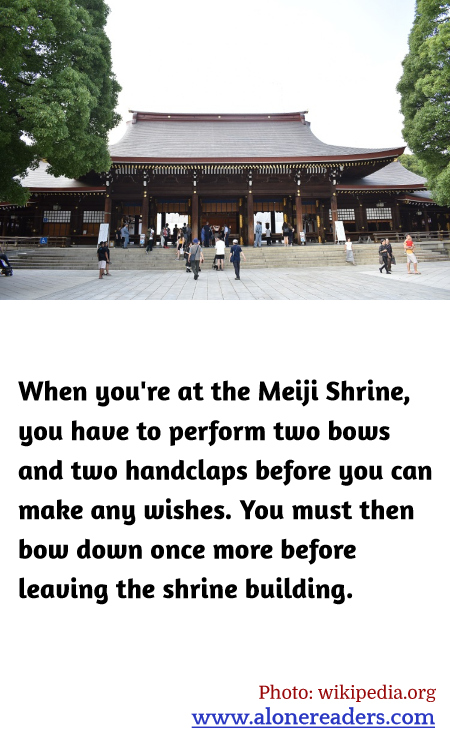
Nestled in the bustling city of Tokyo, the Meiji Shrine, also known as Meiji Jingu, stands as a tranquil oasis dedicated to the deified spirits of Emperor Meiji and his consort, Empress Shoken. Visiting this shrine is not only about experiencing its serene beauty but also about partaking in traditional Shinto practices that have been passed down through generations.
One of the essential rituals involves a specific sequence of bows and claps known as the "ni-rei ni-hakushu ichi-rei." This involves two bows, two claps, and another bow, which is a respectful way to engage with the deity enshrined here. When you approach the shrine's main hall, or honden, to make a wish or prayer, you first bow deeply twice. This shows reverence and respect for the enshrined spirits.
After these bows, you then clap your hands twice. Clapping is significant in Shinto rituals as it is believed to summon the kami (the spirits or gods) and show that your prayers come from a pure heart. Once you have clapped, you can then make your wish or prayer. It is common for visitors to pray for happiness, health, and success.
Following your prayer, you complete the ritual by bowing deeply once more. This final bow signifies gratitude and is a way to express thanks to the kami for listening to your prayers.
These gestures may seem simple, but they reflect deep cultural reverence and spirituality. The Meiji Shrine, while a popular tourist destination, functions primarily as a religious site, and participating in these practices can give visitors a closer look into the spiritual fabric of Japan. While the bustling city pulses outside its forested borders, inside, the shrine offers a peaceful connection to Japan's rich history and traditions. Whether you’re a local or a visitor, engaging in this ritual at Meiji Shrine can be a profoundly moving and unforgettable experience.
