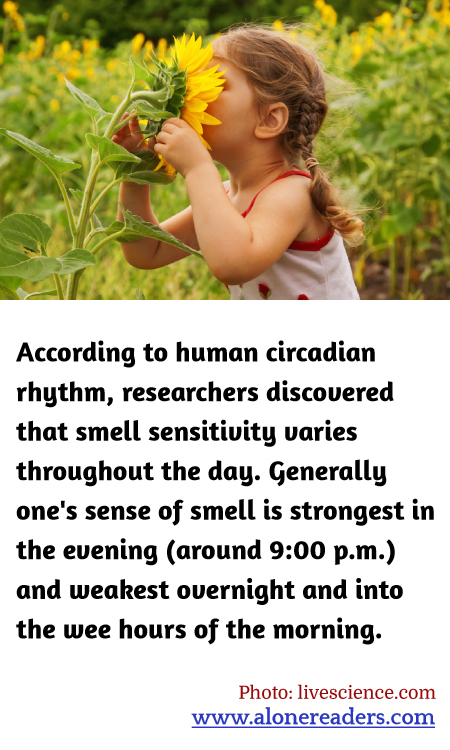
Our sense of smell, though often taken for granted, plays a critical role not just in experiencing flavors but also in evoking deep-seated memories and emotions. Intriguingly, this sense is not constant throughout the day. Recent research into human circadian rhythms—our body's natural 24-hour cycles that influence sleep, wakefulness, and other physiological processes—indicates that our olfactory sensitivity fluctuates, being most acute in the evening and least effective late at night and into the early morning hours.
Why does this variation occur? Circadian rhythms help regulate hormone levels, body temperature, and brain wave activity, all of which interact in complex ways that are not yet fully understood. For example, during the day, other senses like sight and hearing may take precedence as we navigate our environments, which could mean smell recedes somewhat. Come evening, as these senses dial back with diminishing light and less noise, smell steps into the spotlight. Hormonal fluctuations also play a key role; for instance, cortisol, which has a suppressive effect on bodily functions not essential for immediate survival, is lower in the evening, potentially enhancing smell.
This peak in olfactory sensitivity in the evening could have evolutionary benefits. Historically, being able to detect food or danger by scent would have been crucial after sunset when visibility lessened. Moreover, this enhanced evening sensitivity could have implications for our contemporary lives, from influencing when we should eat to optimize flavor and digestion, to determining when we should engage in activities that rely heavily on scent, such as wine tasting or even selecting perfumes.
Understanding the circadian rhythms of smell could also have broader applications, such as improving clinical environments or refining treatments for smell disorders. Scheduling meals or medication administration in sync with a patient’s olfactory sensitivity could enhance appetites or improve the palatability of medications, which might be particularly useful in care settings for older adults or those with compromised sensory functions.
As we continue to unravel the mysteries of our circadian rhythms and their impact on such senses as smell, we open the door to not only a greater understanding of our biology but also practical applications that could enhance our daily lives. Whether this leads to better-timed meals for heightened enjoyment or more effective healthcare interventions, the benefits of syncing our activities with our body clocks appear promising.
