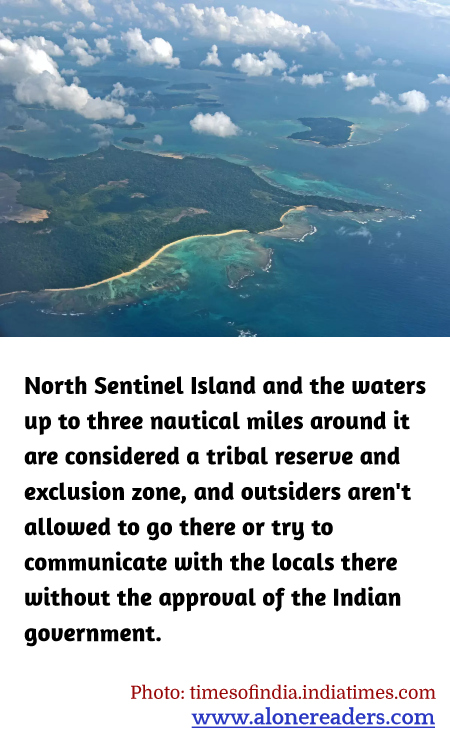
North Sentinel Island, located in the Bay of Bengal, is one of the world's last remaining uncontacted places, home to the Sentinelese tribe who have lived in isolation from the outside world for thousands of years. Governed by India, the island and the surrounding waters up to three nautical miles are designated as a tribal reserve and an exclusion zone, which severely restricts access to protect the tribe's indigenous lifestyle and avoid potential harm from external contact.
The reasons for such stringent protection measures are manifold. The Sentinelese people are among the few remaining societies that have not been influenced by modern civilization. This has preserved their ancient way of life, but also means they lack immunity to common diseases that outsiders might carry, which could potentially wipe out the entire tribe. The Indian government, recognizing the disastrous impacts previous civilizations faced when exposed to outside diseases, has made it illegal for outsiders to visit the island or attempt communication with the locals.
Attempts to contact the tribe have been met with hostility; the Sentinelese are known to be fiercely defensive of their territory and typically greet outsiders with arrows and spears. This reaction is, in large part, a survival tactic developed over centuries. Historical incidents, such as the kidnapping of tribe members by British colonizers in the 19th century, have led to a deep distrust of outsiders, and each attempted contact since has only reinforced their wariness and hostility.
The policy of non-interference and exclusion also serves to protect the cultural sovereignty and rights of the Sentinelese people. Allowing them to live undisturbed ensures their culture, language, and rituals can survive and evolve without external influence. The Indian government has established this exclusion zone not just to protect the tribe from physical diseases but also from cultural erosion and exploitation.
In conclusion, the strict protection and non-contact policy for North Sentinel Island demonstrate a significant ethical stance on the right of indigenous people to live as they choose, free from outside interference. It's a compelling example of the lengths to which governments can go to preserve human culture and life in its most unaltered state. While curiosity about such an isolated tribe is natural, respecting their choice to remain uncontacted is a paramount principle that the world is learning to uphold better.
