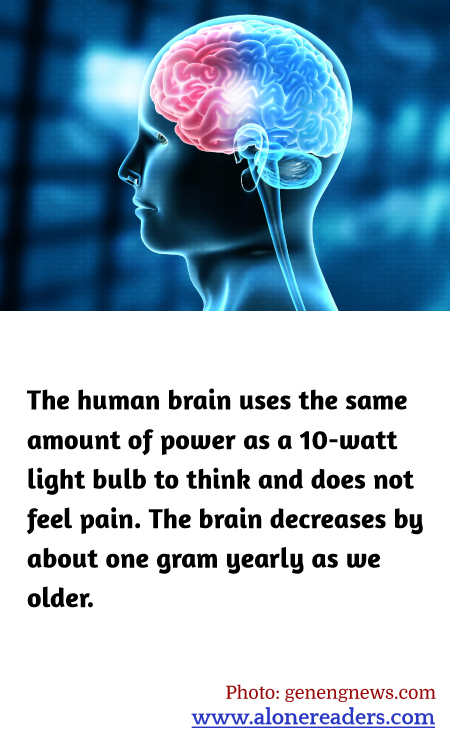
The human brain is a marvel of biological engineering, with its capability to perform complex thoughts, emotions, and actions all while using about the same amount of power as a 10-watt light bulb. This comparison highlights not only the efficiency of the brain in consuming energy but also underlines the incredible power of its processing ability. Despite this complexity and vital role in our sensory system, the brain itself does not have pain receptors and therefore cannot feel pain. This phenomenon explains why brain surgeons can perform surgeries on patients who are awake without causing them discomfort in the brain.
As we age, however, the brain undergoes several changes that can impact its size, structure, and function. One of the more striking aspects of aging is the reduction in brain mass, approximately one gram per year. This reduction is part of the broader spectrum of brain atrophy, a common phenomenon accompanying aging, and can be linked to various cognitive changes and decreases in brain functionality. The loss of neurons and the connections between them might lead to slower cognitive processes, memory issues, or the alteration in managing emotions and controlling movements.
Understanding these aspects of the brain's operation and its changes through aging is crucial for developing strategies to maintain brain health. Lifestyle choices such as engaging in regular physical activity, maintaining a healthy diet, mental stimulation through learning new skills, and social interactions can all contribute to sustaining a healthy brain. Moreover, ongoing research continues to explore how we can not only maintain but also enhance brain function as we grow older, promoting an overall better quality of life. Thus, while the brain does decrease in size, there’s increasing knowledge and strategies available to help mitigate the impact of aging on cognitive functions.
