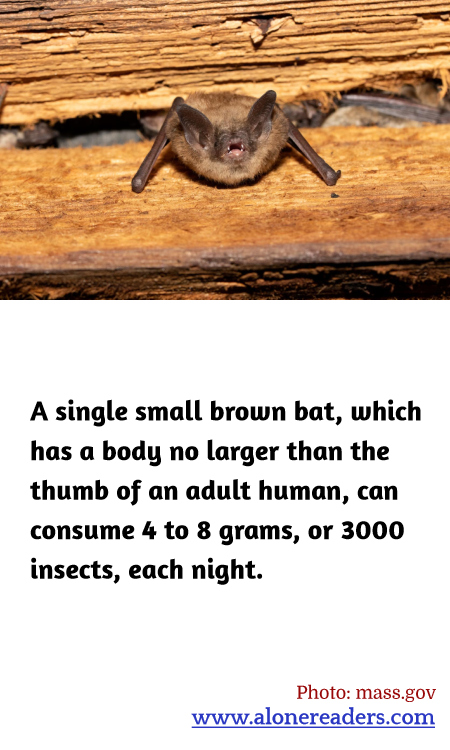
Bats, particularly the small brown variety which is about the size of an adult human thumb, play a crucial role in maintaining the balance of our ecosystems. Despite their minute size, these nocturnal creatures are voracious feeders. Each night, a single small brown bat can consume between 4 to 8 grams of insects, totaling up to 3000 bugs. This includes pests like mosquitos and agricultural pests that can harm crops. Therefore, bats are natural pest control agents and help reduce the need for chemical pesticides in farming, which can be harmful to the environment.
Moreover, the diet of these bats not only helps in controlling pest populations but also in reducing the spread of diseases carried by insects like mosquitoes. For instance, mosquitoes are known carriers of diseases such as malaria, dengue, and Zika virus. By keeping the mosquito numbers in check, bats contribute significantly to reducing the impact of these health threats.
The ecological benefits of bats extend beyond pest control. They are also important pollinators and seed dispersers for a wide variety of plants. This is particularly crucial in tropical and desert environments where bats are often the key, or sometimes the only, pollinators of night-blooming plants. Some species of bats specialize in feeding on nectar and, in the process of feeding, they transfer pollen from one flower to another, thus aiding in plant reproduction.
Unfortunately, bat populations face numerous threats, including habitat loss, diseases such as White-nose Syndrome, and climate change. Their roosting sites, often in caves or old buildings, can be disturbed or destroyed by human activities. Moreover, the spread of White-nose Syndrome, a fungal disease, has decimated millions of bats in North America.
Efforts to conserve bat populations are vital for the health of global ecosystems. Simple actions like installing bat houses, preserving natural habitats, and supporting bat conservation initiatives can make a significant difference. Educating the public about the benefits bats provide can also alleviate misguided fears and negative stereotypes about these incredible creatures.
In conclusion, the seemingly small contribution of a single small brown bat in controlling insect populations plays a significant role in ecological health and agricultural economics. Protecting and conserving bat populations not only supports biodiversity but also aids in sustainability efforts that benefit the entire planet.
