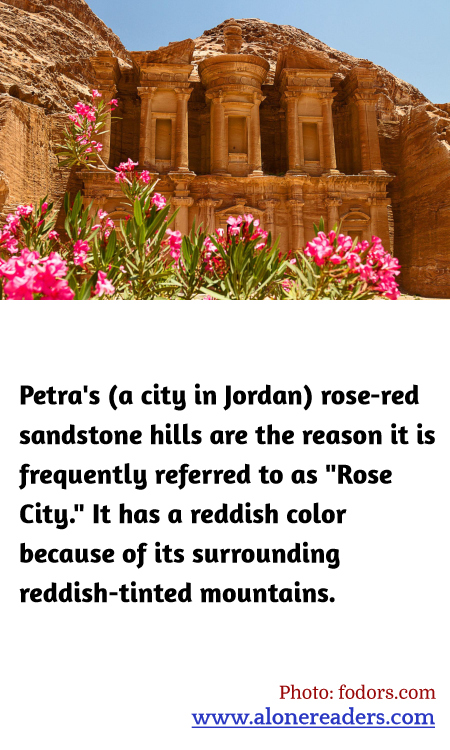
Petra, an archaeological city in southern Jordan, is often hailed for its breathtaking beauty and historical significance. Known colloquially as the "Rose City," Petra owes this enchanting moniker to the striking rose-red color of the sandstone hills that surround and comprise much of its terrain. The unique hue is not merely aesthetic; it is deeply geological, a marvel sculpted through millennia.
The coloration of Petra's landscapes can largely be attributed to the iron oxide present in the sandstone. Over time, this iron has oxidized, or rusted, giving the stone that distinct reddish tint that is so famously associated with the city. This geological phenomenon is particularly pronounced during sunrise and sunset, when the light enhances the redness of the rocks, creating a dramatic and almost supernatural glow that seems to set the city ablaze with color.
The impact of Petra's color palette extends beyond mere visual spectacle; it has seeped into the cultural and historical fabric of the site. The rose-red sandstone not only creates a visually striking landscape but has also played a significant role in the preservation of the city. The same properties that give the stone its color help protect the carved facades and structures from erosion and weathering. This durability has allowed Petra to stand through centuries as a testament to the ingenuity and creativity of its builders – the Nabataeans, who established Petra as their capital as early as the 4th century BCE.
Architecturally, Petra is renowned for its rock-cut architecture, most notably the Al-Khazneh (The Treasury) and the Monastery. These structures, carved directly into the vibrant sandstone cliffs, showcase a fascinating blend of Hellenistic architectural styles with traditional Nabataean elements. The natural coloration of this stone adds another layer of aesthetic appeal to these architectural wonders, enhancing their majestic presence against the stark desert landscape.
Today, Petra not only draws archeologists and historians keen on unraveling its secrets but also captivates countless tourists from around the globe. They come not only to witness its historical ruins but to experience the play of light on the iconic rose-red sandstone, which frames every view and pathway with its warm tones, serving as a constant reminder of the natural forces and human craftsmanship that have shaped this timeless site. The interplay of natural beauty and human history makes Petra a profound testament to the artistic and architectural achievements of ancient civilizations, forever enshrined in the rose-red hills of Jordan.
