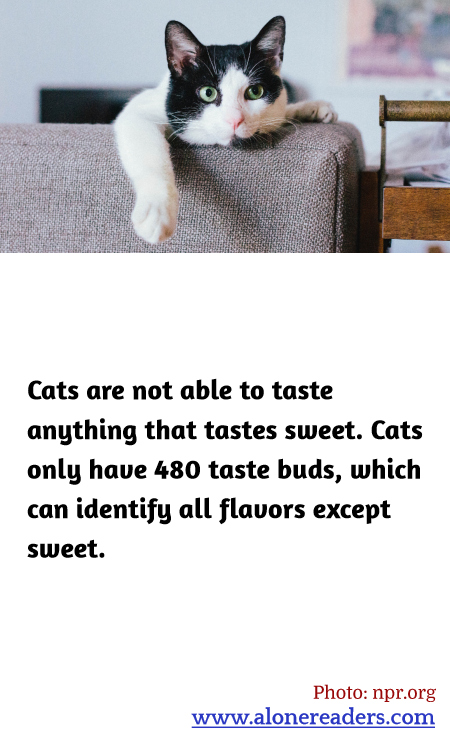
Cats are fascinating creatures with many unique characteristics, one of which is their inability to taste sweetness. Unlike humans, who have around 9,000 taste buds, cats have only 480. This significantly smaller number of taste buds means that cats experience flavors and tastes differently. Research has shown that cats lack a key component necessary for detecting sweet flavors. Specifically, they are missing the gene that codes for the sweet taste receptor. This genetic variation differentiates them from many other mammals, most of whom can detect sweet tastes.
The absence of sweet taste reception in cats can be traced back to their evolutionary origins. As obligate carnivores, their diet consists almost exclusively of meat. This dietary pattern has shaped their taste receptors over millennia, emphasizing the ability to detect amino acids and other components crucial in meat, rather than sweets. The evolutionary theory suggests that since sugars and carbohydrates are not a natural part of the feline diet, the ability to taste sweet would not offer any particular advantage.
Interestingly, this doesn't mean that cats won't eat foods that are sweet. They might be attracted to the fat or other components in some sweet foods. However, their interest in these foods doesn't come from the sweetness, which they cannot detect, but rather other sensory attributes or macronutrients within the food.
Understanding that cats do not have the ability to taste sweet flavors is important for cat owners, especially when considering their pet's diet and health. Providing a diet that is too rich in carbohydrates can lead to obesity and other health issues in cats. Thus, it is crucial to focus on high-protein, meat-based diets, which cater to their evolutionary dietary requirements. This adaptation also highlights the fascinating diversity of sensory capabilities across different species, driven by specific ecological needs and evolutionary histories.
