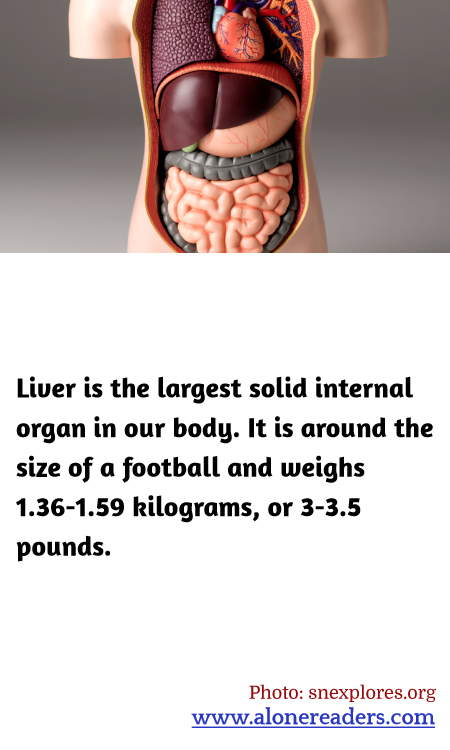
The liver, an indispensable organ, plays a pivotal role in numerous physiological processes that sustain life. As the largest solid internal organ, its size is comparable to that of a football and weighs between 1.36 and 1.59 kilograms (3-3.5 pounds). Positioned in the upper right quadrant of the abdomen, it lies beneath the diaphragm and occupies a significant space in the abdominal cavity.
The liver is primarily known for its crucial function in detoxification, the process by which it filters and removes toxins from the blood. This includes the breakdown of drugs, alcohol, and natural byproducts of metabolism such as ammonia. It plays a central role in metabolism, helping to regulate the levels of fats, sugars, and proteins in the bloodstream. It synthesizes various proteins, including those necessary for blood clotting and albumin, essential for maintaining the volume and pressure of blood plasma. Furthermore, the liver produces bile, a substance that assists in the digestion and absorption of fats and fat-soluble vitamins in the small intestine.
In addition to its metabolic and detoxifying functions, the liver has a significant role in the immune system. It contains a large number of Kupffer cells, a type of macrophage that consumes and breaks down bacteria, old blood cells, and other debris in the blood, acting as a filter against pathogens.
Moreover, the liver's ability to regenerate is almost miraculous. It can regenerate its mass from as little as 25% of its original size. This regenerative capacity is vital, especially in situations of injury or after surgical removal of part of the organ.
Due to its wide array of functions and its capacity for regeneration, the liver is not only a critical organ for general health but also particularly vulnerable to damage due to disease, excessive alcohol consumption, fatty diet, and exposure to harmful substances. Diseases such as hepatitis, fatty liver disease, and liver cancer can impair its ability to perform essential functions, resulting in significant health problems.
This underscores the importance of maintaining liver health through proper diet, regular exercise, limiting alcohol consumption, avoiding unnecessary medications, and exposure to toxic substances. Regular medical checkups that include liver function tests can also help monitor its health and ensure that this vital organ continues to function effectively.
