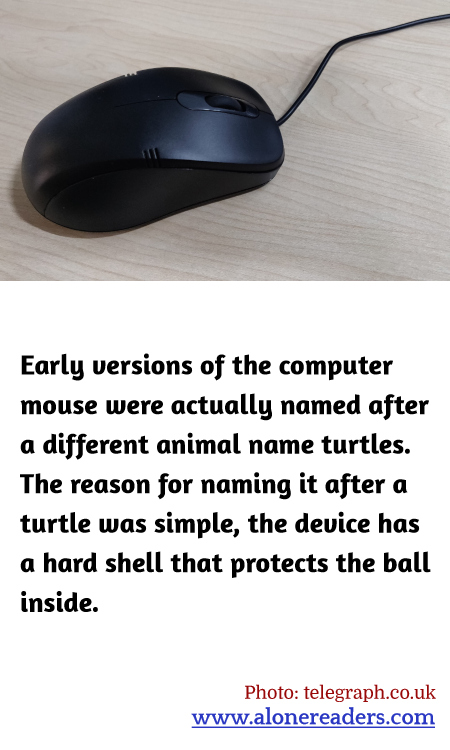
The early versions of what we now commonly refer to as a computer mouse were interestingly named after a different animal: turtles. This naming choice was driven by the visual and functional similarities to the hard-shelled creatures. Just as a turtle's shell provides protection to its vital parts, the early mouse designs included a hard protective covering which encapsulated the tracking ball. This ball, pivotal for the mouse’s movement, could be likened to a turtle's ability to maneuver with ease despite its protective, cumbersome shell.
These initial designs were conceptualized in the 1960s, during the formative years of computer technology. The trackball, essentially the precursor to the modern mouse, was an inverted ball that users could roll in any direction, translating that movement directly onto the computer screen. Much like a turtle navigating its surroundings, the cursor could be moved smoothly across the screen's surface with the rollable ball of the device. The sturdy outer shell housed and protected the mechanism, enhancing the durability of the early mouse, which was essential in professional environments like graphical workstations.
Interestingly, the term “mouse” was allegedly coined because the cord attached to the device resembled a tail, giving off the appearance of a small rodent skittering around. Over time, as the technology evolved, the name “mouse” became more prevalent, and the reference to turtles faded away. Nonetheless, the foundational design principles carried over into newer generations, focusing on durability and functionality. Today’s optical and laser mice have done away with the trackball but continue to embody the concept of sturdy, reliable interaction between user and interface.
Reflecting on such technology’s origins not only provides appreciation for modern advancements but also highlights the progression of design and ergonomics in computer hardware. From a simple, turtle-inspired protective design to sophisticated devices with motion sensors and wireless capabilities, the journey of the computer mouse mirrors the rapid evolution and ingenuity underpinning the broader technological landscape.
