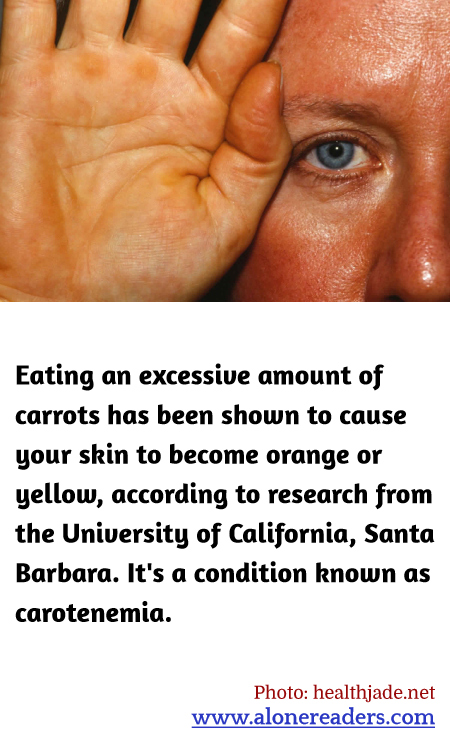
Carrots, known for their high beta-carotene content, are a healthy vegetable choice, rich in vitamins, and beneficial for vision and overall health. However, consuming them in large quantities can lead to an interesting yet harmless condition known as carotenemia, where the skin turns a yellowish-orange hue. This phenomenon was highlighted by researchers at the University of California, Santa Barbara, who pointed out the condition emerges as a result of excess beta-carotene in the body, a type of vitamin A that gives carrots their orange color.
Carotenemia is not harmful in itself and is usually reversible. The discoloration is most noticeable on areas of the skin with high sweat gland concentration such as the palms, soles, and nasolabial folds. Although carotenemia can make for a striking appearance, it does not cause any internal harm or distress, unlike jaundice, which it can sometimes be mistaken for. Jaundice, unlike carotenemia, is characterized by a yellowing of the whites of the eyes and is a sign of liver dysfunction.
The condition typically resolves on its own once the consumption of beta-carotene-rich foods is moderated. It is a testament to the body's ability to process and store certain nutrients in high amounts, and also a reminder that even the healthiest foods should be eaten in moderation. Carotenemia also highlights an important aspect of nutrition: the body's response to excessive intake of any single food item, regardless of how beneficial that food might be in moderate amounts.
Thus, while carrots are indeed a nutritious staple in many diets, moderation is key to avoiding the cosmetic effects of carotenemia. Regularly consuming a balanced diet that includes a variety of foods is the best way to ensure the body gets all the nutrients it needs without the risk of overconsumption of beta-carotene. This case from the University of California, Santa Barbara, not only sheds light on carotenemia but also serves as an educational insight into the complexities of human nutrition and the importance of dietary balance.
