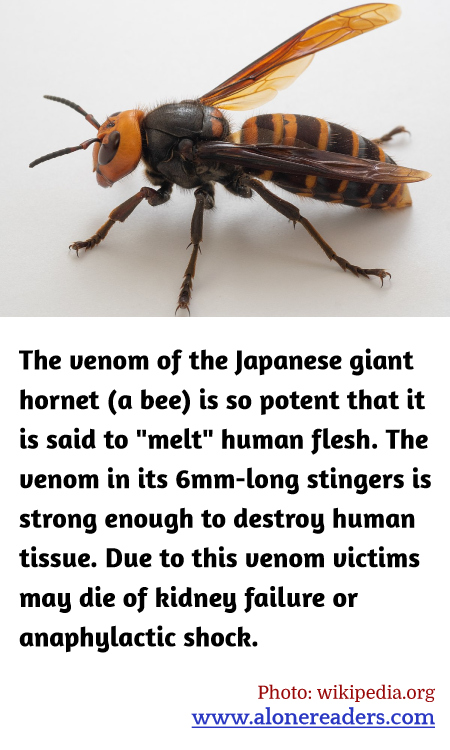
The Japanese giant hornet, also known as Vespa mandarinia, is infamous not only for its size but also for its highly potent venom. This venom is delivered through a 6mm-long stinger and has the capability to cause significant damage to human tissues. The venom contains a cocktail of enzymes and other chemicals which can break down cell membranes, effectively causing the tissue to "melt." This can lead to severe pain and significant tissue damage at the site of the sting.
The consequences of being stung by a Japanese giant hornet can be severe, especially if the victim suffers from an allergic reaction. The venom can trigger anaphylactic shock, a rapid allergic response that can be fatal if not treated immediately. Symptoms of anaphylaxis include severe swelling, difficulty breathing, a sharp drop in blood pressure, and dizziness. This acute allergic reaction requires immediate medical attention, typically the administration of epinephrine.
Moreover, the venom's toxins can cause more than local pain and swelling. They have the ability to affect renal function, leading in some extreme cases to kidney failure. This is due to the venom's nephrotoxic properties, where it directly injures the renal cells, disrupting the kidney's ability to filter blood and produce urine. Without prompt and effective treatment, this can lead to long-term kidney damage or even death.
Although fatalities are relatively rare, the danger posed by the Japanese giant hornet is taken seriously, especially in regions where these hornets are prevalent. In rural areas of Japan, efforts are made to track and destroy nests to reduce the risk of attacks on humans. Meanwhile, individuals who are at higher risk of severe reactions are often advised to carry emergency anaphylaxis medication and to seek immediate medical help if stung.
The best way to manage the risks associated with the Japanese giant hornet is through awareness and preparedness, particularly for those living in or visiting regions where these insects are active. Avoiding areas known for hornet activity, wearing protective clothing, and having access to immediate medical care can all help mitigate the dangers posed by one of the world's most formidable insects.
