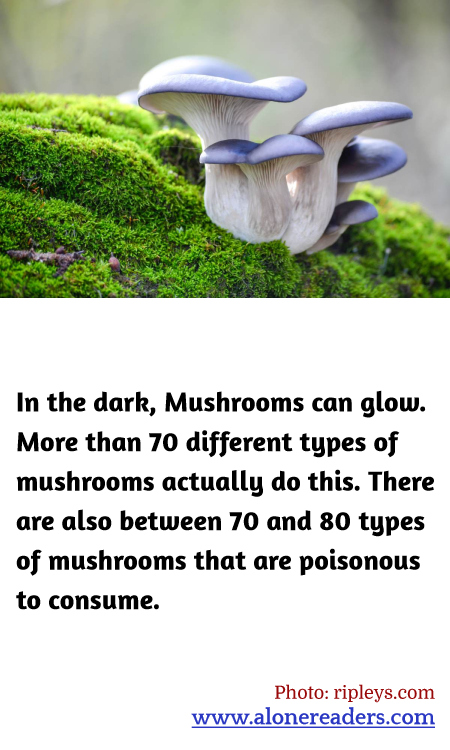
Bioluminescence, the phenomenon where organisms produce light, is one of nature's most fascinating marvels, particularly so in the case of glowing mushrooms. More than 70 species of fungi are known to exhibit this glowing characteristic, illuminating forest floors with an ethereal light. This glow is not just for show; it serves a purpose. Scientific research suggests that the light emitted by these mushrooms helps attract insects, which in turn helps in spore dispersal, enhancing their ability to reproduce and colonize new areas.
The diversity of bioluminescent mushrooms is vast, found in various parts of the world and thriving in different environmental conditions. The mechanism behind their glow involves a chemical reaction that produces light. This reaction typically includes a substance called luciferin, an enzyme known as luciferase, and oxygen. When these components combine, they produce light without generating heat, which is why it’s often referred to as “cold light.”
On the darker side of the fungal kingdom, there are also numerous mushrooms that are dangerous to humans if ingested. Between 70 and 80 species of mushrooms are recognized as toxic, and they can vary significantly in appearance and toxicity level. For instance, the notorious Amanita phalloides, commonly known as the death cap, is lethal and resembles several edible species, posing a serious risk to foragers. Toxic mushrooms can cause a range of symptoms, from mild gastrointestinal discomfort to severe organ failure and death, depending on the species and amount consumed.
For both amateur mycologists and the general public, distinguishing between edible and poisonous mushrooms can be challenging and risky without proper knowledge and experience. That is why it is always recommended to consult with an expert or rely on verified resources when foraging for mushrooms. The allure of bioluminescent and exotic mushrooms certainly adds an element of wonder to nature walks and foraging excursions, but it is equally important to approach mushroom hunting with caution and respect for the complexities and potential dangers posed by these fascinating organisms.
