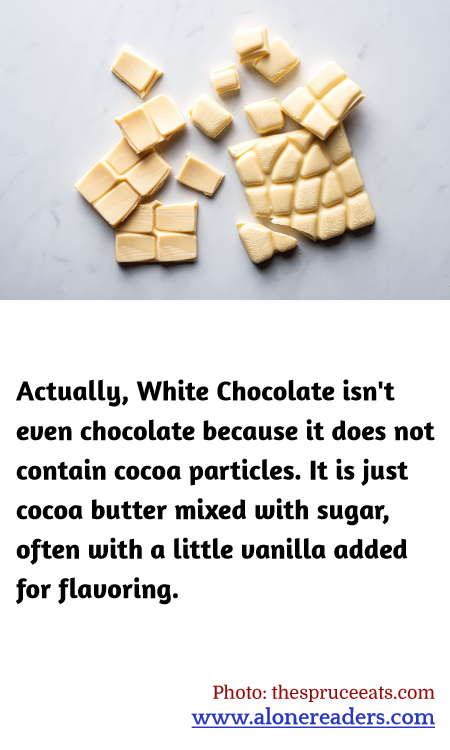
Despite its name, white chocolate stands apart from what many consider "real" chocolate because it lacks one key component: cocoa solids. Traditional chocolate is made with both cocoa solids and cocoa butter, but white chocolate contains only cocoa butter among the cocoa derivatives. This significant difference gives it a distinct character and taste, separating it from milk and dark chocolates.
Cocoa butter, which is a pale yellow, edible vegetable fat extracted from the cocoa bean, is the primary ingredient in white chocolate. It is combined with sugar, milk products, and often an addition of vanilla for flavor. This composition creates a rich, creamy texture, but since it lacks cocoa solids, it doesn't offer the deep chocolatey flavor found in other types of chocolate.
This exclusion leads some chocolate purists to argue that white chocolate should not even be classified as chocolate. However, regulatory bodies have criteria that white chocolate must meet to earn its name. For instance, in the United States, the Food and Drug Administration (FDA) mandates that for a product to be marketed as white chocolate, it must contain at least 20% cocoa butter, 14% total milk solids, and no more than 55% sugar or other sweeteners.
Moreover, white chocolate's taste and texture have made it a favorite among many, lending a subtle yet rich flavor to various desserts and confections. From a chocolate connoisseur's perspective, what sets white chocolate apart may not be a drawback but simply a different culinary territory. Whether enjoyed alone or as part of a dessert, white chocolate offers a unique, indulgently sweet experience. Despite debates over its chocolate credentials, its popularity endures, proving that taste often trumps technical classification in the culinary arts.
