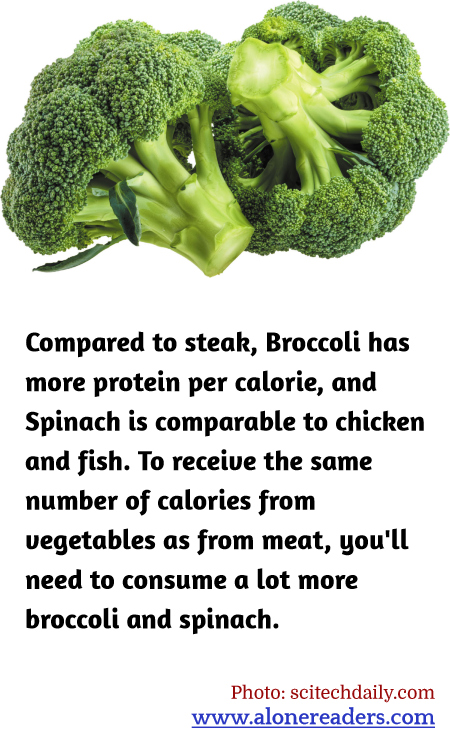
When it comes to nutritional content, vegetables like broccoli and spinach often don't get the spotlight they deserve, especially in terms of their protein content relative to calorie count. Intriguingly, when measured by the amount of protein per calorie, broccoli surpasses steak, and spinach is on par with lean animal proteins like chicken and fish. This comparison highlights the potential of these vegetables as valuable sources of protein, particularly for those pursuing a plant-based diet or looking to increase their nutritional intake without significantly boosting their calorie consumption.
However, there's a catch. To match the protein content you get from meat sources, a significantly higher volume of these vegetables would need to be consumed. For instance, while broccoli contains more protein per calorie than steak, the total volume of broccoli needed to ingest the same number of calories – and thus the same absolute amount of protein – as a steak would be quite large. The same goes for spinach when compared to chicken or fish. This fact often makes it impractical to rely solely on vegetables like broccoli and spinach for protein intake if trying to equal the protein quantities available from meat within a typical dietary caloric limit.
Nonetheless, incorporating a mix of protein sources, including both animal and plant-based options, can be a healthy and effective way to achieve a balanced diet. For vegetarians, vegans, or those simply looking to lessen their meat consumption, understanding the protein content relative to calories in vegetables can guide better dietary choices. Combining various plant-based protein sources, such as legumes, nuts, and whole grains, with high-protein vegetables can ensure adequate protein intake without excessive calories.
Overall, while the sheer volume of vegetables like broccoli and spinach needed to match the caloric and protein content of meats might be impractical for most diets, these vegetables still stand out as extremely nutritious options. They offer numerous other health benefits, including high levels of fiber, vitamins, minerals, and antioxidants, with the added advantage of low calories. Hence, even if they cannot completely replace meat for protein needs based on volume and practical intake levels, they are excellent supplements to enhance overall diet quality and contribute to a healthier eating pattern.
