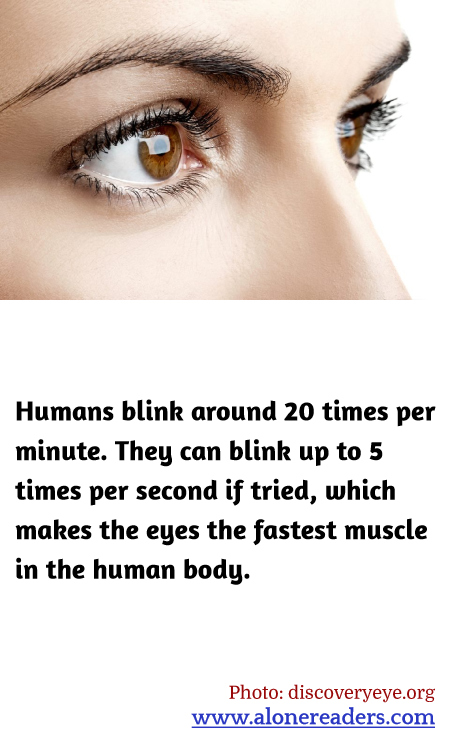
Blinking is a fascinating and often overlooked aspect of human physiology that plays a crucial role in maintaining eye health and proper vision. On average, humans blink about 20 times per minute. This rate can significantly increase depending on a variety of factors such as eye dryness, exposure to bright light, or when engaging in intense concentration tasks, where the rate significantly decreases to perhaps 3-4 times per minute. Remarkably, when exerted to the fullest, the human eye can blink up to 5 times per second. This rapid blinking capability showcases the incredible speed and efficiency of the orbicularis oculi, the muscle responsible for closing the eyelid, which ranks as one of the fastest muscles in the human body.
The primary function of blinking is to keep the eyes clean and moisturized. Each blink spreads tears over the cornea, ensuring that it remains free of dust, dirt, and other irritants. This tear film also provides essential nutrients to the eye's surface and helps maintain clear vision. Furthermore, blinking serves as a protective mechanism that shields the eyes from potentially harmful stimuli, such as bright lights or foreign particles.
Despite being a reflex, blinking also has secondary layers of complexity involving various neural circuits in the brain. This is evident in how we can also control our blink rate voluntarily. The rate and necessity of blinking can vary according to environmental conditions and psychological factors. For example, people tend to blink less frequently while reading or staring at a computer screen, which can lead to eye strain and dryness—common components of the condition known as computer vision syndrome.
Furthermore, research has linked blinking to certain cognitive and emotional roles. Blink rate can increase due to stress, excitement, or while engaged in conversation. Some studies suggest that blinking may help to reset and rest the brain momentarily, aiding in attention and cognitive processing. Additionally, irregular blinking patterns are being studied in neuro-psychological disorders, potentially serving as indicators of conditions such as Parkinson's disease and autism spectrum disorder.
Understanding the intricacies of blinking not only sheds light on a basic, day-to-day biological function but also offers insights into broader psychological and neurological processes. Encouraging proper blinking habits, particularly in environments prone to causing visual strain, is essential for maintaining ocular health and comfort. This seemingly simple act is a testament to the complex interplay between different systems of the human body, highlighting the remarkable adaptations that support sensory functions and protect delicate organs such as the eyes.
