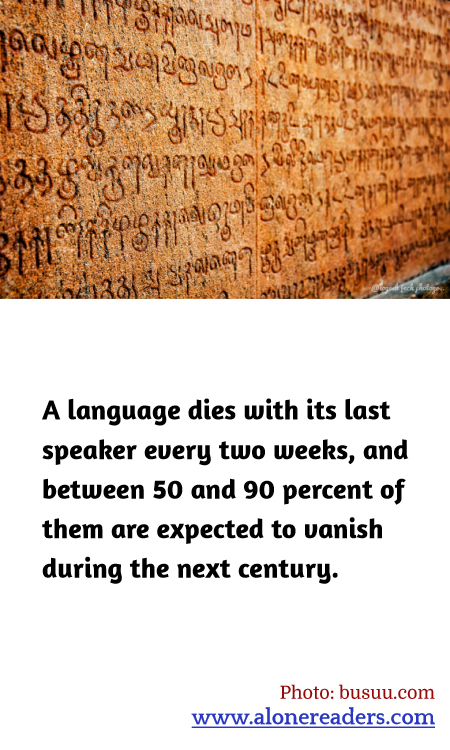
Languages are more than just a means of communication; they are the living memory of a culture, offering insight into history, traditions, and the way a community interacts with its environment. However, an alarming trend threatens this rich heritage. Every two weeks, a language dies with its last speaker, and experts predict that between 50 and 90 percent of the approximately 7,000 languages currently spoken around the world will disappear by the next century if current trends continue.
The loss of a language often results from a combination of factors including globalization, cultural assimilation, political oppression, and urbanization. Globalization promotes a dominant culture, often at the expense of local traditions and languages. As younger generations seek new opportunities in cities or adopt more dominant languages such as English, Mandarin, or Spanish, the use of indigenous languages dwindles.
The consequences of language extinction are profound. Linguistic diversity is closely tied to biodiversity, with many undocumented languages containing unique knowledge about medicinal plants and ecological wisdom that is not found elsewhere. The disappearance of these languages means the loss of such knowledge. Moreover, as languages fade away, so do many aspects of cultural identity, reducing the rich tapestry of human diversity.
Efforts to preserve endangered languages are growing, integrating both community initiatives and technological advancements. Education programs that include indigenous languages, recording and documentation projects, and the use of digital tools and social media to teach and promote lesser-known languages are examples of preservation efforts. Moreover, international organizations and governments are increasingly aware of the need to support these endeavors.
However, the challenge remains significant. Reversing language decline requires sustained and concerted efforts, and most importantly, it requires the support and active participation of the communities themselves. Valuing all languages as equal, no matter how small the number of speakers, is fundamental in this preservation journey. It is not just about saving words, but about maintaining the world’s cultural diversity in the face of relentless globalization.
