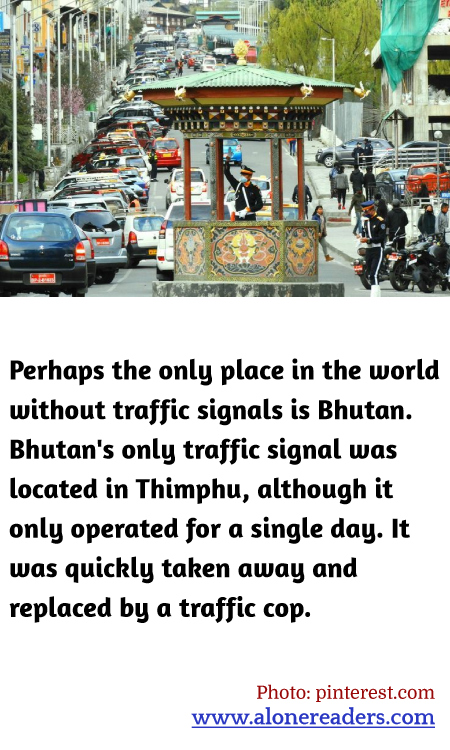
In the serene landscapes of Bhutan, a surprising cultural characteristic aligns perfectly with the tranquil and traditional way of life: the absence of traffic signals. This small Himalayan kingdom, known for measuring gross national happiness as an indicator of prosperity, prioritizes a harmonious blend between modernization and maintaining its cultural identity. Bhutan’s capital city, Thimphu, famously experimented with installing its first and only traffic signal. However, its introduction back in the early 2000s didn't last long—a single day, to be exact. Locals felt that the signal was too impersonal, an unwelcome departure from their norm, and was quickly removed following public discontent.
Subsequently, the traffic signal was replaced by what has now become an iconic image of Bhutan—a traffic police officer conducting vehicles with dance-like movements at major intersections. This approach not only aligns with the country’s emphasis on human interaction but also highlights Bhutan’s dedication to its customs and traditions. The decision to remove the traffic light is reflective of deeper cultural values that cherish personal connection and community-oriented living.
Moreover, Thimphu, despite being a capital city, does not experience the high volumes of traffic common in other capitals around the world. This low level of traffic, combined with the effectiveness of manually directed traffic, allows Bhutan to maintain this unique status. The approach also adds to the city's charm and is often fondly noted by visitors, illustrating how Bhutan manages to balance modernization while preserving tradition.
Bhutan’s unique traffic management can be seen as a metaphor for its developmental philosophy. The country cautiously embraces technology and external influences, ensuring they do not disrupt the societal harmony and environmental sanctity it fiercely protects. The absence of traffic signals symbolically represents Bhutan's journey towards modernity, carefully navigated without losing sight of its cultural heritage and communal values.
