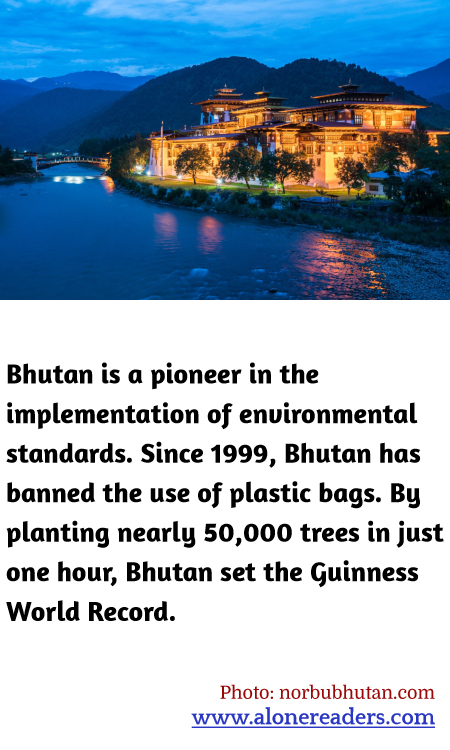
Nestled in the Himalayas, the Kingdom of Bhutan is globally recognized for its innovative approaches to environmental conservation. This small country, often referred to as the last Shangri-La, has established itself as a pioneer in setting high environmental standards. It was one of the first nations to place environment preservation at the core of its development strategy, emphasizing sustainability, and the results have been nothing short of impressive.
A significant pioneering step came in 1999 when Bhutan banned the use of plastic bags. This groundbreaking move marked a major milestone in environmental policy at a time when the global understanding of plastic pollution was still in its early stages. The ban not only greatly reduced the litter found in its pristine landscapes but also encouraged the people of Bhutan to turn to more sustainable alternatives such as cloth and paper bags, thereby setting a sustainable trend for others to follow.
Another remarkable environmental achievement occurred in 2015, when Bhutan set a world record by planting nearly 50,000 trees in just one hour. Volunteers from all walks of life, including children and government officials, gathered together to plant these trees, which symbolized a commitment to environmental conservation and a gesture of dedication to the future generations. This event not only highlighted the community spirit of the Bhutanese people but also demonstrated their profound respect for nature.
Bhutan’s approach extends beyond these acts. It is one of the few countries in the world to not only aim for carbon neutrality but to actually be a carbon-negative country. The constitution mandates that at least 60% of the nation's landmass be maintained and protected as forest. This has led to Bhutan producing more oxygen than it consumes, with its rich forests absorbing more carbon dioxide than the country emits.
These actions are driven by the philosophy of Gross National Happiness (GNH), which the country uses as a measure of development. By placing equal importance on non-economic aspects of well-being, including environmental preservation, Bhutan creates a holistic development model that can be a guiding beacon for the world. The emphasis on happiness and the environment go hand in hand, illustrating that development does not have to come at the expense of nature.
Bhutan’s environmental policies and actions provide a blueprint for other nations on how to balance ecological conservation with socio-economic development. Their commitment serves as a reminder that small nations can indeed make a significant impact on global environmental issues, leading by example and inspiring a wave of change for a greener, more sustainable future.
