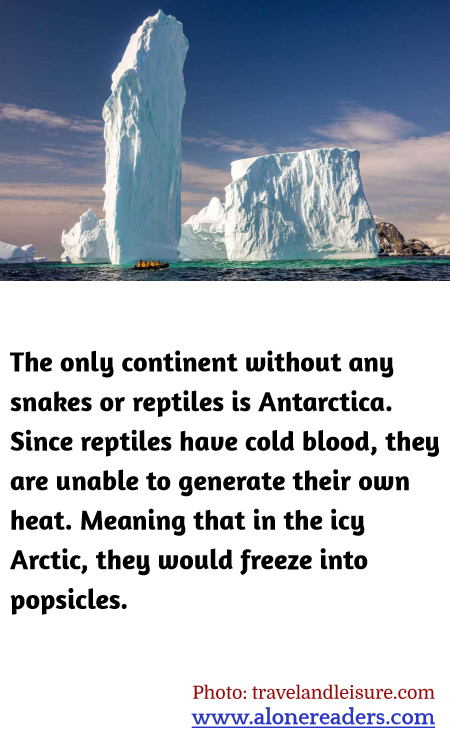
Antarctica stands unique among the continents not only for its harsh climates and formidable ice sheets but also for its distinct lack of native reptilian life. This absence includes snakes, which are found on every other continent. The reason for this absence lies primarily in the reptilian dependence on external sources of warmth to regulate their body temperatures. Reptiles are ectothermic, or cold-blooded, meaning they rely on their environments to provide the heat essential for their survival and physiological processes.
The bitter and unforgiving climate of Antarctica, where temperatures can plummet to as low as -60 degrees Celsius (-76 degrees Fahrenheit) during winter, creates an inhabitable environment for reptiles. Such extreme cold conditions are problematic because reptiles need warmth to digest their food, move, and reproduce. The lack of consistent, adequate sunlight during the long Antarctic winters further complicates any potential for reptilian life. Sunlight is crucial for thermoregulation in reptiles, helping them to absorb heat and maintain their vital functions.
Moreover, the geographical isolation of Antarctica also plays a significant role. The continent has been separated from more temperate regions by vast oceans for millions of years, preventing the migration of reptiles to its shores. Historically, even when connected to other landmasses via land bridges, the steadily cooling temperatures over millennia would have made migration and adaptation exceedingly challenging for warmth-dependent reptiles.
In contrast to its reptile-free status, Antarctica is inhabited by robust and adaptable forms of life such as penguins, seals, and various seabirds, all of which have evolved special adaptations allowing them to survive in the cold environment. For example, these species possess layers of fat and feathers that insulate their bodies effectively, helping them conserve heat.
In essence, the natural exclusion of snakes and other reptiles from Antarctica is a compelling example of how extreme environmental conditions can dictate the presence or absence of certain species. It underscores the importance of temperature regulation in reptiles and highlights the diverse adaptations of Antarctic wildlife that thrive in conditions where cold-blooded animals cannot.
