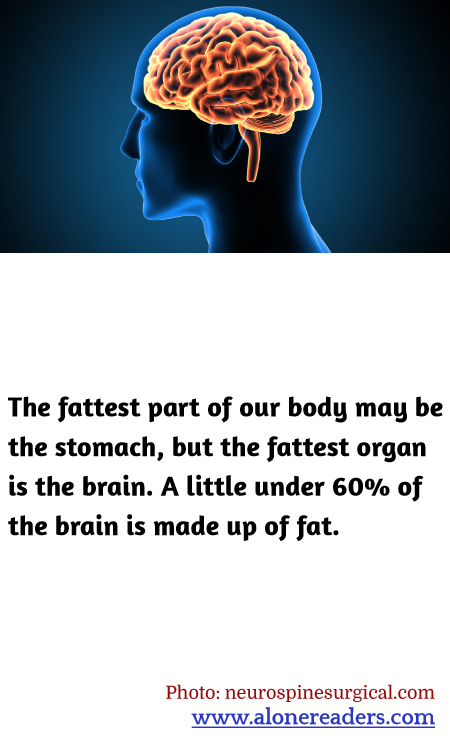
The brain, often cited as the most complex organ in the human body, also holds the distinction of being the fattest. Approximately 60% of the brain's composition is fat, making it the organ with the highest concentration of fat. This high fat content is crucial for brain health, primarily because it impacts the functionality of nerve cells.
Fats in the brain are present in the form of phospholipids and cholesterol, which are key components of the myelin sheath that surrounds and insulates nerve fibers. This myelination process is essential as it speeds up the transmission of electrical signals and protects the nerve cells from damage. The efficiency of neural communication that dictates thought, emotion, and motor skills depends significantly on the quality and integrity of these myelin sheaths, highlighting the vital role of fat in cognitive performance and nervous system function.
Moreover, the fatty acids found in the brain – particularly omega-3 and omega-6 fatty acids – are integral to brain development and regular function. These cannot be synthesized by the body and thus must be obtained through diet. Omega-3 fatty acids, such as EPA and DHA, are especially important during the early stages of life for the development of the sensory, cognitive, and motor neuron systems and continue to support cognitive function and mental health throughout life.
Given the crucial role of fats in the brain, maintaining a diet that provides a balanced intake of essential fatty acids is important for overall brain health. Foods rich in omega-3, such as fish oil, seeds, and nuts, are particularly beneficial and often recommended by nutritionists. Simultaneously, the brain's preference for fats highlights the importance of managing dietary intake to support cognitive functions and prevent neurodegenerative conditions.
Thus, while the stomach may visually represent the body's fat store, the brain's high fat content serves as a lifeline for its complex functions, emphasizing not just any fat, but quality and essential fats that facilitate neural performance and cognitive preservation. This indispensable relationship between fats and brain functionality underlines why we must heed not just the quantity but the quality of fats in our daily diet.
