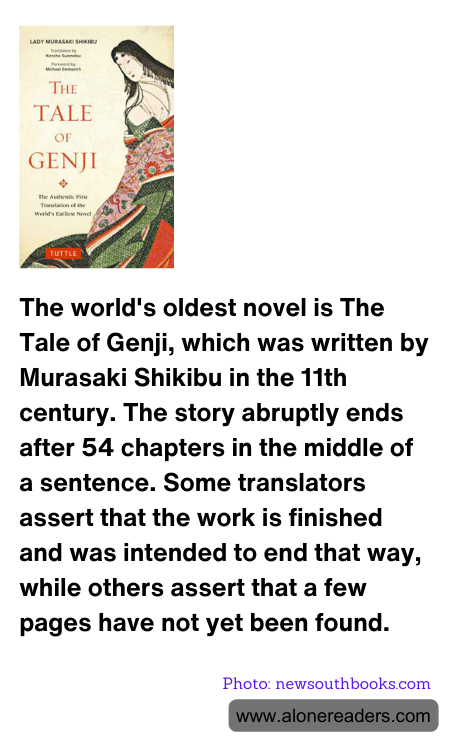
Considered by many to be the world's oldest novel, "The Tale of Genji" was penned by the noblewoman Murasaki Shikibu in the early 11th century in Japan. This literary work is celebrated for its intricate narrative and profound insight into the politics and social structures of the Heian period. Encompassing 54 chapters, the tale explores the life and loves of Genji, a nobleman of unparalleled charm and talent. However, one of the most intriguing aspects of this classic is its abrupt ending, which cuts off mid-sentence.
This unusual conclusion has sparked considerable debate among scholars and translators. Some believe that Murasaki Shikibu intended the novel to end in such an abrupt manner, suggesting a deliberate literary technique to provoke thought and interpretation. This view posits that the unfinished sentence mirrors the unpredictable nature of life and the incomplete essence of personal experiences. Alternatively, there are scholars who speculate that the original manuscript may have included additional pages that were somehow lost over the centuries. These missing sections, they argue, could potentially resolve the narrative more traditionally, providing closure to the sprawling epic.
The ambiguity surrounding the ending of "The Tale of Genji" not only adds to its mystique but also highlights the themes of impermanence and the ephemeral quality of life, which are recurrent throughout the work. Despite differing opinions on whether the novel concludes as Murasaki Shikibu planned or remains incomplete due to missing portions, "The Tale of Genji" continues to be a pivotal study in the evolution of literature, offering deep insights into the cultural and societal norms of its time while presenting a timeless exploration of human emotions and relationships.
