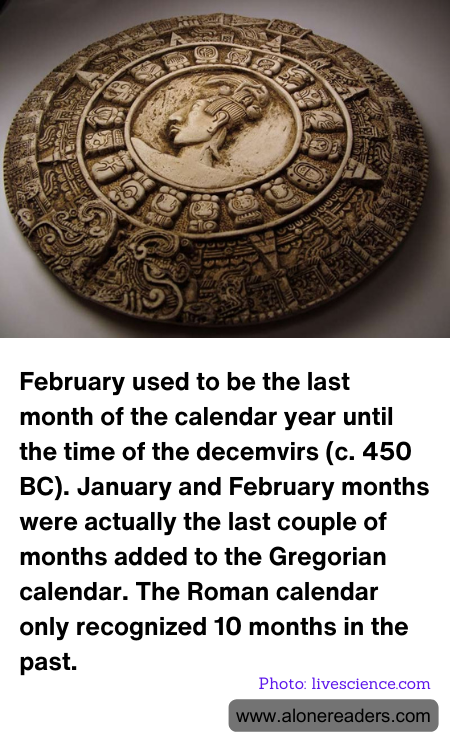
February's position as the second month in the Gregorian calendar belies its intriguing historical role as the final chapter of the year in ancient Roman times. The Roman calendar, originally attributed to the founder of Rome, Romulus, was a 10-month system that excluded January and February. This early version started the year in March and ended in December, aligning with the agricultural cycle, which was vital for the agrarian society of the time.
The addition of January and February occurred during the reign of Numa Pompilius, the second king of Rome, who reigned around 715-673 BC. Numa sought to create a calendar that more accurately reflected the lunar year. The inclusion of January and February as the last two months of the year was intended to align the calendar with the lunar year and the seasons, with each month consisting of 20 to 30 days.
However, this configuration changed around 450 BC when the decemvirs, a panel of ten officials, reformed the Roman calendar during the founding of the Roman Republic. They moved January and February to the beginning of the year. This shift was not merely administrative but also symbolic, representing a fresh start for the governance and societal structure.
The transition of February to one of the foremost months was significant. February derived its name from the Latin word 'februum,' meaning purification. The month was associated with the festival of Februa, dedicated to purification and atonement, aligning with the seasonal cycle of renewal in the old pastoral calendar. This festival underscored the transitional nature of February, bridging the old and the new year.
Today, February is known for having the least number of days, a relic from the ancient calendar system in which the year needed to be realigned with celestial cycles. It's fascinating to consider how a month that once concluded the year now serves as a bridge, not just between winter and spring, but between the ancient and modern understanding of timekeeping. This historical perspective on February illuminates the deep roots that calendar systems have in both astronomy and cultural practices, subtly influencing how modern society perceives and plans time.
