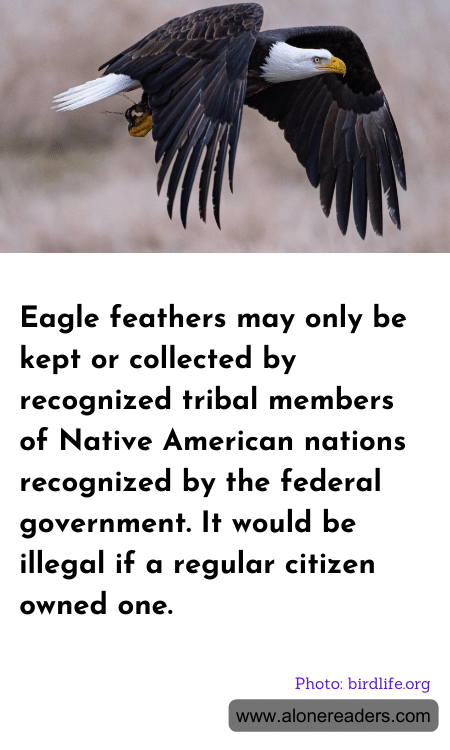
Eagle feathers hold profound significance within many Native American cultures, emblematic of spiritual protection, bravery, and high honor. Due to the cultural, spiritual, and ecological importance of eagles, specifically bald and golden eagles, stringent regulations govern the possession of their feathers. Under the Bald and Golden Eagle Protection Act, which was first enacted in 1940 and has since been amended to strengthen its provisions, it is illegal for anyone to collect, possess, or trade in eagle parts, including feathers, without proper authorization.
This legislation exclusively permits members of federally recognized Native American tribes to obtain eagle feathers for religious or cultural ceremonies. The National Eagle Repository, operated by the U.S. Fish and Wildlife Service, facilitates this practice. Here, eagles that have died naturally or from accidental causes are collected, and their feathers are distributed to tribal members who apply for them for use in traditional practices and attire.
The process of acquiring these feathers through the repository is meticulous, reflecting the respect and significance attributed to the eagle. Tribal members must apply and often wait for considerable periods due to the limited availability compared to the demand. This system ensures that the use of eagle feathers adheres to both cultural traditions and conservation laws aiming to protect these majestic birds, which have previously faced threats of extinction.
For non-Native individuals, possessing eagle feathers can result in severe penalties, including fines and imprisonment, highlighting the seriousness with which these protections are enforced. This legal framework underscores a broader recognition of indigenous rights and practices, respecting and preserving age-old traditions connected deeply with nature. The exclusive right of Native Americans to use eagle feathers is a measure of cultural respect as well as a pragmatic approach to conservation, ensuring that eagle populations are safeguarded for future generations while honoring the deep spiritual connections these birds represent in Native American communities.
