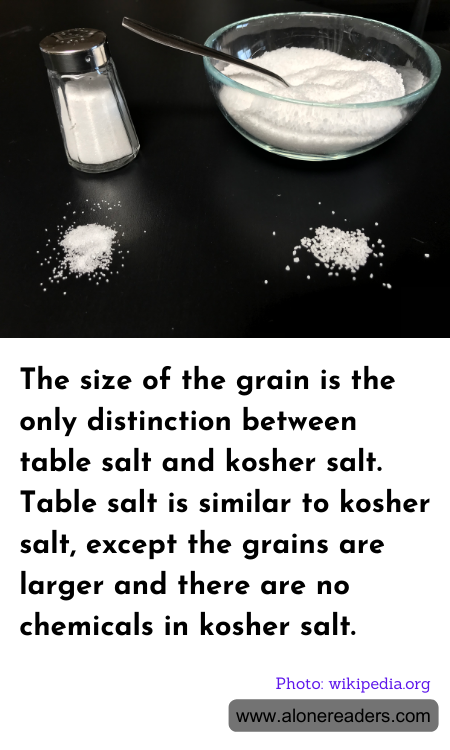
Salt, one of the most basic yet crucial ingredients in cooking, comes in various forms, each with its unique characteristics and uses. Two common types are table salt and kosher salt, which, while similar in chemical composition, differ significantly in grain size and production process.
Table salt, the most widely used type, is finely ground, making it ideal for general cooking and as a tabletop condenser. It’s typically mined from underground salt deposits and is heavily processed to eliminate minerals and impurities. This fine texture means it dissolves quickly and evenly, making it a popular choice for baking where precise measurements are crucial. To prevent clumping and improve pourability, manufacturers often add anticaking agents to table salt.
On the other hand, Kosher salt has a coarser grain and does not usually contain additives, giving it a purer taste. The larger flakes don't dissolve as quickly as table salt, which can be both an advantage and a disadvantage depending on the intended use. Kosher salt is called such not because it meets Jewish dietary guidelines by itself but because its flake size is ideal for drawing moisture out of meats, a requirement in the koshering process. This makes it excellent for seasoning before cooking, curing meats, and creating crusts on proteins. Its larger grains allow for easier handling and more control over the amount used, reducing the risk of over-salting.
Despite their differences, both types of salt have the same basic chemical composition and can often be used interchangeably, keeping in mind their dissolving rates and grain sizes. However, when substituting one for the other, it's crucial to adjust measurements. Because of its finer grains, table salt packs more tightly into a measuring spoon than kosher salt, which means using kosher salt in a recipe that calls for table salt can result in a less salty dish unless the quantity is adjusted up slightly.
Choice between the two often comes down to the texture desired in the finished dish and personal preference regarding additives. While professional chefs may prefer kosher salt for its versatility and clean taste, table salt remains a staple in everyday household use due to its convenience and suitability for a wide range of culinary applications. Thus, understanding these nuances can help optimize the flavor profiles and outcomes in your cooking.
