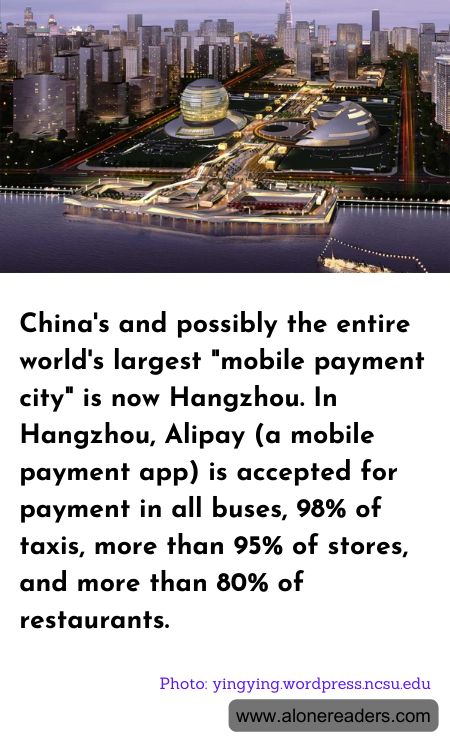
In recent years, Hangzhou has transformed into a pioneering city for mobile payment systems, particularly through the widespread adoption of Alipay. This shift has positioned it not just as a leader within China but possibly as the world's largest "mobile payment city." In Hangzhou, the embrace of mobile payment technology is nearly ubiquitous. The data is quite staggering: all city buses, 98% of taxis, over 95% of retail stores, and more than 80% of restaurants now accept payments via Alipay. This vast acceptance network underscores a significant cultural and technological shift in consumer behavior, where physical wallets are becoming increasingly redundant.
The reasons behind this shift are manifold. First, the convenience offered by apps like Alipay revolutionizes daily transactions, making them faster and more secure. Users can simply scan a QR code or tap their phone to process payments, which significantly cuts down the time spent on each transaction. Moreover, Alipay's integration into various financial and lifestyle services makes it more than just a payment tool. For instance, users can book doctor's appointments, pay utility bills, and manage financial investments, all from the same platform.
For businesses, the benefits are equally compelling. Digital transactions reduce the handling cost associated with cash and improve the efficiency of operations. Moreover, they gain valuable insights from consumer data, which can be leveraged to optimize their services and tailor marketing strategies. This comprehensive adaptation by businesses large and small highlights a broad trend of digitalization within the city’s economy.
Interestingly, the rapid adoption of such technologies in Hangzhou and other parts of China is also facilitated by the regulatory environment and government policies promoting digital payments. China's central and local governments have been supportive of digital payment platforms, viewing them as vehicles for economic modernization and greater financial inclusion. They have also implemented strong cybersecurity measures to build consumer trust and ensure the security of online transactions.
Hangzhou's example provides important insights into the future of consumer finance and business operations globally. As more cities around the world observe the benefits and efficiencies introduced by widespread mobile payment adoption, they might follow Hangzhou’s model, leading to a potential shift in global payment methodologies. This evolution towards a cashless society appears not just inevitable but beneficial, streamlining transactions and integrating consumer lifestyles more closely with technology.
