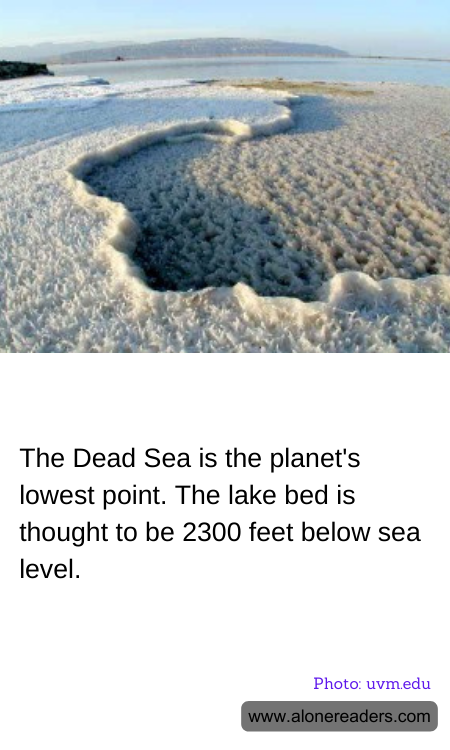
The Dead Sea, a salt lake bordered by Jordan to the east and Israel and the West Bank to the west, is a fascinating geographical marvel. Notably, it holds the distinction of being the lowest point on Earth, with a surface sitting approximately 430.5 meters (1,412 feet) below sea level as of recent measurements, though this continues to change due to ongoing water depletion and environmental factors. The actual lake bed is thought to be approximately 2300 feet below sea level, making it not only the planet's most pronounced depression but also a location of countless geological studies.
This body of water is renowned for its exceptionally high salt concentration, which is nearly ten times that of regular sea water. This intense salinity prevents typical marine life from thriving; hence its name, the Dead Sea. However, the high mineral content of the lake, particularly magnesium, potassium, and bromide, is proven beneficial for various health issues including skin disorders, allergies, and joint problems. This has made the Dead Sea a popular center for wellness and therapeutic tourism, drawing visitors from around the globe who seek to benefit from its healing properties.
The Dead Sea has a rich history and has been a resource for a variety of groups over the millennia, including the Ancient Egyptians who used the natural asphalt from the seafloor for embalming mummies. Historically and culturally significant, it also holds religious importance—anecdotes in the Bible mention the Dead Sea in stories such as David seeking refuge there, and it was one of the nearby caves where the Dead Sea Scrolls were discovered.
Currently, the Dead Sea is facing significant ecological challenges. Its water levels have been dropping at an alarming rate of more than a meter (three feet) per year. The primary reasons are water diversion from the Jordan River, its only source, and mineral extraction processes by industrial companies. Environmentalists and regional governments are now facing the tough challenge of preserving this unique natural wonder while balancing the needs of the local economy.
Efforts to restore and stabilize the Dead Sea fluctuate in scale and success, featuring initiatives like the controversial Red Sea-Dead Sea Conduit, which proposes to channel water from the Red Sea to replenish it. While the immediate future of the Dead Sea remains uncertain, it continues to be a priority for conservationists, scientists, and the international community, highlighting the delicate balance between natural beauty and human necessity.
