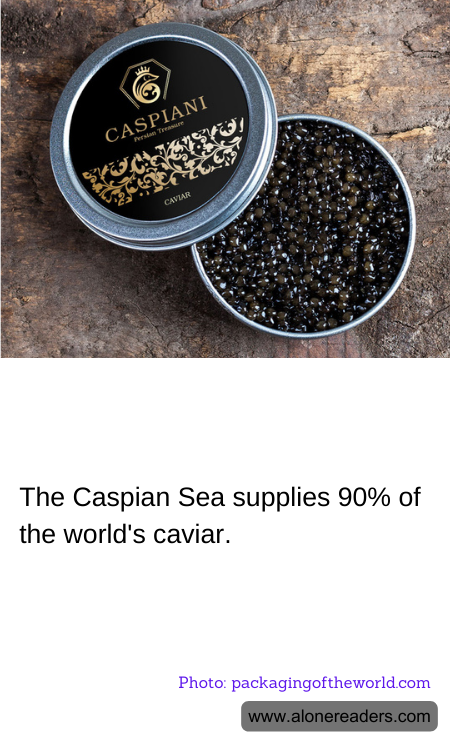
The Caspian Sea, the world's largest inland body of water, is renowned not only for its size but also for being a prime source of one of the most luxurious foods: caviar. Extracted from sturgeon, which are native to the Caspian Sea, caviar is a globally sought-after delicacy, known for its unique flavor and texture. It is noteworthy that the Caspian Sea supplies an astonishing 90% of the world's caviar, making it an essential economic and ecological resource.
The dominance of the Caspian Sea in the caviar market can be attributed to the abundance of sturgeon species in its waters. The sea hosts several species of sturgeon, including Beluga, Osetra, and Sevruga, which are most prized for producing high-quality caviar. The environment of the Caspian Sea provides ideal conditions for sturgeon to thrive, due to its unique saline water and rich biodiversity, supporting the health and growth of these fish.
However, the demand for caviar has led to significant ecological and conservation challenges. Overfishing and illegal poaching of sturgeon are severe problems that threaten the stability of their populations. Recognizing the critical state of sturgeon species, several Caspian states along with international organizations have implemented stricter regulations and conservation efforts to sustain the sturgeon population and, by extension, the caviar industry.
These conservation efforts include quotas on fishing, advanced techniques for sustainable caviar production such as aquafarming, and stringent enforcement against poaching. Aquafarming, in particular, is gaining traction as a viable alternative, allowing the production of caviar without extracting it from wild sturgeon populations. This method not only helps in preserving the wild populations but also ensures a steady supply of caviar even as natural conditions in the Caspian Sea change.
The significance of the Caspian Sea in the global caviar market cannot be overstated. It remains a vital economic resource for the bordering countries - Russia, Kazakhstan, Turkmenistan, Iran, and Azerbaijan. The caviar industry supports the livelihoods of thousands along its coast, making the sustainability of sturgeon populations a key economic as well as an environmental issue. As the world continues to enjoy this luxurious delicacy, the health of the Caspian Sea and its sturgeon population will need ongoing attention and sustainable practices to ensure that it remains productive and vibrant for future generations.
