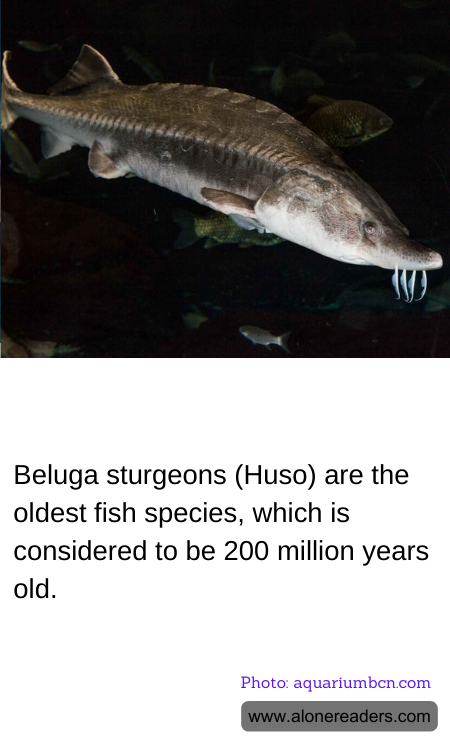
Beluga sturgeons, scientifically known as Huso huso, are one of the most fascinating and ancient fish species alive today. Estimated to have existed for about 200 million years, they are often referred to as living fossils, having thrived through major periods of earth's history, witnessing the rise and fall of dinosaurs and countless other species. These magnificent creatures are primarily found in the Caspian and Black Seas, although their range historically extended throughout the Adriatic Sea and major river systems in Europe.
Beluga sturgeons are most renowned for producing the highly prized beluga caviar, which is considered one of the most luxurious and expensive food items in the world. The production of caviar and overfishing for this delicacy has led the species to the brink of extinction; they are now classified as critically endangered by the International Union for Conservation of Nature (IUCN). Today, efforts to conserve the species are in place, including strict regulations on fishing and trade, as well as breeding programs aimed at increasing their population.
The beluga sturgeon is also remarkable for its size; they are the largest freshwater fish in the world, with some individuals reported to be over 7 meters long and weighing more than 1500 kilograms. Their size, along with their distinctive torpedo-shaped body and smooth, scale-less skin, make them one of the more unique fish in the aquatic world.
Despite their prehistoric origins, beluga sturgeons have a very slow rate of reproduction which contributes to their vulnerability. They can take up to 20 years to reach sexual maturity, and females do not reproduce every year. This slow reproductive rate, coupled with high demand for their caviar, has made their populations susceptible to overfishing.
Preservation of their habitat is currently among the most important measures needed to protect these ancient giants. Pollution, dam construction that blocks migratory routes, and illegal fishing are significant threats that need to be addressed more robustly. Engaging local communities in conservation efforts and promoting sustainable fishing practices are also essential steps in ensuring that beluga sturgeons continue to inhabit our waters for centuries to come. Their story is not just one of survival against the odds but also a call to action for environmental stewardship to protect these timeless creatures and the ecosystems they inhabit.
