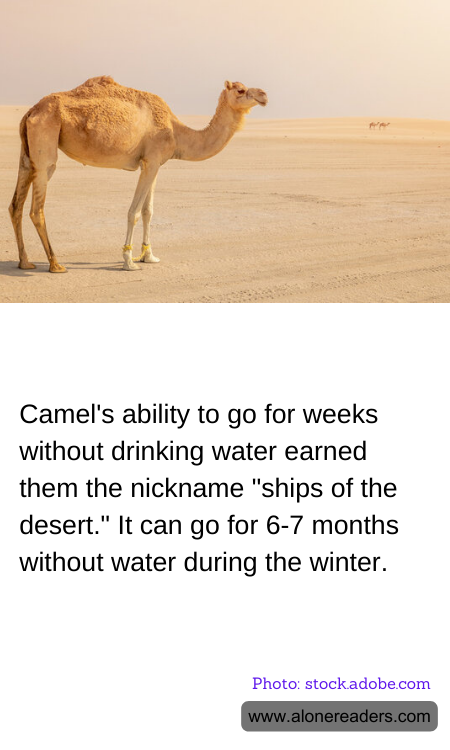
Camels, often referred to as "ships of the desert," are remarkable creatures adapted to survive the harsh conditions of arid landscapes like deserts where water is scarce. Their ability to go for weeks, and sometimes months, without directly drinking water is a phenomenal trait that has helped them navigate and thrive in such challenging environments. This endurance is primarily due to their unique physiological and anatomical adaptations.
One of the most crucial adaptations is their ability to regulate their body temperature and water consumption. Unlike many other mammals, camels can tolerate fluctuations in their body temperature throughout the day. This ability means they do not need to sweat as much to cool down, allowing them to conserve water. Furthermore, their oval-shaped red blood cells are particularly effective during dehydration, as they can flow more smoothly through constricted blood vessels and aid in keeping the camel hydrated.
During the colder winter months, camels can survive up to six or seven months without directly drinking water. During this period, they rely heavily on the moisture found in their food sources, such as vegetation, which in the winter can contain enough moisture to sustain them. They can metabolize the fat in their humps into water and energy when food is scarce, which is another critical survival mechanism. This metabolic process is highly efficient and further minimizes their need for external water sources.
Moreover, camels have a unique capacity to drink large amounts of water when it is available. They can consume up to 40 gallons of water in one go, which they can store and use over an extended period, making every opportunity to drink count to its maximum advantage.
These fascinating adaptations make camels the quintessential animal for life in desert environments and underline their importance to the ecosystems where they are native. Their ability to navigate and survive in one of Earth’s most extreme climates has not only given them their nickname but has also ensured their survival through centuries in the vast, water-scarce deserts they call home.
