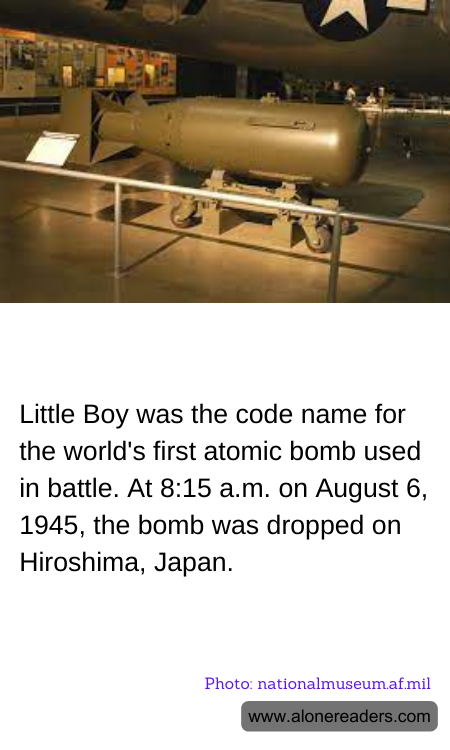
Little Boy, the code-named atomic bomb, marked a turning point in warfare and global politics when it was dropped on Hiroshima, Japan, at 8:15 a.m. on August 6, 1945. Developed under the top-secret Manhattan Project during World War II, the uranium-235 bomb was a result of extensive scientific research and was intended to hasten the end of the war in the Pacific. Weighing around 9,700 pounds and measuring just over 10 feet in length, Little Boy was dropped by the American B-29 bomber Enola Gay, piloted by Colonel Paul Tibbets.
The explosion that followed was massive, releasing the equivalent of approximately 15,000 tons of TNT, devastating an area of about five square miles. Immediate effects were catastrophic; approximately 70,000 people were killed instantly, with total deaths by the end of 1945 climbing to around 140,000 due to injuries and radiation exposure. The aftermath of the bomb was not confined to the physical destruction of the city and the immediate loss of life. Survivors, known as Hibakusha, faced long-term health effects including an increased risk of cancer and chronic disease, and the city itself struggled with reconstruction and the emotional scars of the event.
The use of Little Boy and its plutonium counterpart, Fat Man, which was dropped on Nagasaki three days later, did lead to Japan's unconditional surrender on August 15, 1945, effectively ending World War II. However, the ethical implications and human cost of nuclear warfare sparked a major debate on the international stage concerning nuclear weapons—a debate that continues into the present day.
The bombings of Hiroshima and Nagasaki remain the only uses of nuclear weapons in armed conflict, underscored by ongoing global efforts towards nuclear disarmament and non-proliferation. The event has served as a grim reminder of the destructive capacity of nuclear weapons and a pivot point for international policies regarding their deployment and development. Hiroshima today stands as a city rebuilt yet mindful of its past, home to memorials like the Peace Memorial Park, which commemorates the victims and promotes a message of peace and the abolition of nuclear weapons.
