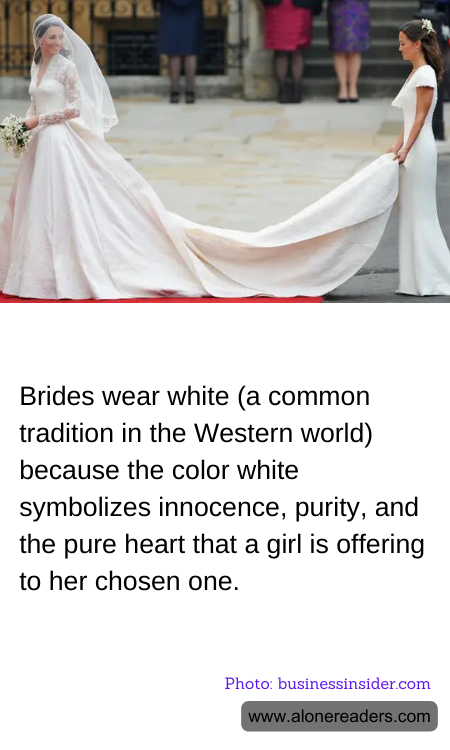
In many cultures, particularly in the Western world, the tradition of brides wearing white on their wedding day is deeply entrenched. This custom can be traced back to Queen Victoria's choice to wear a white gown at her wedding to Prince Albert in 1840. Her fashion choice was highly publicized and admired, and it wasn't long before women across Europe and America began emulating the royal trendsetter.
The color white has long been associated with purity, innocence, and new beginnings. These qualities are considered ideal and are visibly represented in the bride’s attire, suggesting the "pure heart" she brings to her spouse. The symbolism of white extends beyond personal purity, touching on the ideal of new starts, as marriage is often considered the beginning of a new chapter in life.
Despite the strong association between white dresses and these ideals, the trend is relatively recent. Before the 19th century, brides simply wore the best dress they owned, which could be of any color. The valorization of the white dress in matrimonial contexts is a societal construct heightened by both the fashion industry and cultural portrayal of weddings in movies, literature, and media.
In recent years, however, there has been a shift toward more varied and colorful wedding attire, reflecting personal tastes, cultural backgrounds, and modern views on marriage and partnership. Nevertheless, the white wedding dress remains a powerful icon in many parts of the world, encapsulating a blend of tradition, societal expectations, and romantic idealism.
