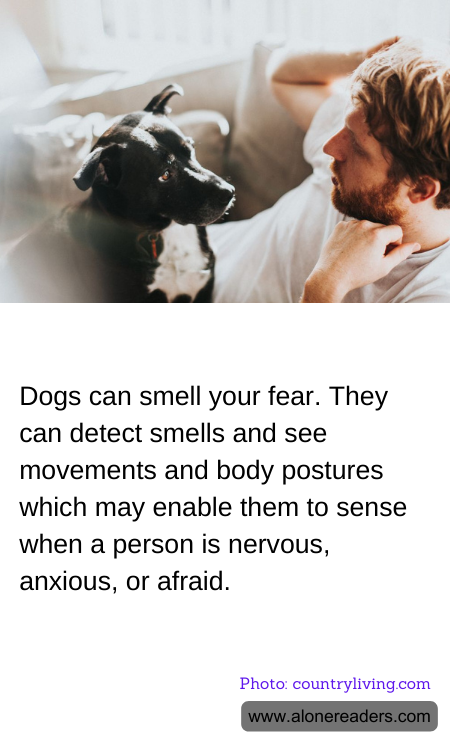
Dogs are renowned for their exceptional sense of smell, which surpasses that of humans by leaps and bounds. This powerful ability allows them to detect a range of odors and chemical changes in the environment that humans can't perceive. It is often said that dogs can smell fear, and there is a basis of truth in this statement, linked to the changes that occur in our body chemistry when we experience fear.
When humans feel scared, our bodies release a variety of chemicals including adrenaline and cortisol. These hormones prepare the body for a fight-or-flight response. Along with these chemical alterations, sweating increases, especially from the palms of our hands and soles of our feet. Dogs' sensitive noses can pick up on these subtle changes in our scent caused by these hormonal fluctuations and increased perspiration.
Moreover, dogs are highly attuned to human behavior and body language. Subtle signs such as increased breathing rate, tenseness, and even minimal changes in our posture or facial expressions do not go unnoticed by our canine companions. Dogs can combine this visual information with the scents they detect, allowing them to perceive a person’s emotional state more accurately.
Interestingly, the ability to sense fear is not solely based on the sophisticated olfactory capabilities of dogs. It's also related to their capacity for empathy and their deep bond with humans. Dogs have evolved alongside humans for thousands of years, during which time they have become adept at reading human emotions and responding to them, often providing comfort or reacting protectively.
In practical contexts, this sensitivity to human emotions makes dogs excellent companions for therapeutic purposes, such as in situations involving individuals with PTSD or anxiety disorders. Therapy dogs are particularly effective in reading and responding to the emotional needs of various individuals, helping to alleviate stress and bring comfort.
As much as this skill is beneficial, it can also pose challenges. For example, if a person exhibits fear, some dogs might become fearful themselves or react defensively. Hence, understanding and managing how we project our emotions around dogs can influence their behavior in significant ways. This also underscores the importance of training and socializing dogs properly to ensure that they can interpret human emotions positively and react appropriately.
In essence, dogs' ability to detect fear is a combined result of their olfactory prowess and their profound connection with humans. This capability not only highlights their intelligence and empathetic nature but also their indispensable role as companions and helpers in human society.
