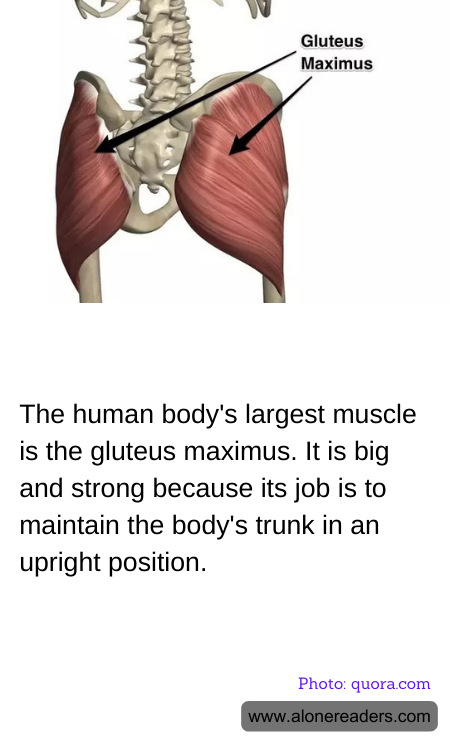
The gluteus maximus, the largest muscle in the human body, plays a crucial role in various movements and functions. Located in the buttocks, this muscle is primarily responsible for keeping the trunk of the body upright, illustrating the immense strength it possesses. Given its size and strength, the gluteus maximus is key in a number of physical activities including standing up from a sitting position, climbing stairs, and staying in an upright posture.
Its significance extends beyond these tasks, impacting the stability of the hip and pelvis regions, which are pivotal in maintaining balance. This muscle is also vital for athletic performance, contributing to explosive movements like jumping, running, or any motion requiring a forward thrust. This is because the gluteus maximus serves as a powerful extensor of the hip joint, crucial for rapid and vigorous leg movements.
Moreover, the strength and health of the gluteus maximus can affect overall posture and alignment. A well-conditioned gluteus maximus supports the lower back, potentially alleviating or preventing pain in this area. Conversely, weakness in this muscle can lead to back and hip issues, underscoring the importance of strengthening exercises such as squats and deadlifts, which target and fortify the muscle fibers in this region.
The functionality of the gluteus maximus is not limited to motion alone; it also has aesthetic and physiological importance. It shapes the contour of the buttocks, contributing to posture and bodily proportions. Therefore, understanding and maintaining the health of the gluteus maximus are essential not only for athletes but for anyone interested in maintaining optimal body mechanics and overall physical wellness.
