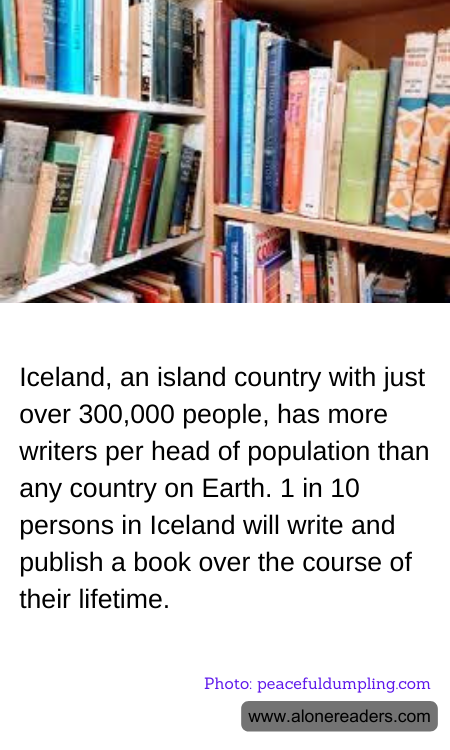
Iceland, renowned for its enchanting landscapes and unique cultural traditions, is also distinguished by its extraordinarily vibrant literary scene. With a population just over 300,000, it's remarkable that Iceland has more writers per capita than any other country in the world. Indeed, about one in ten Icelanders will publish a book at some point in their lives, a statistic that underscores the profound literary ethos embedded in the nation.
The roots of this widespread literary passion can be traced back to the ancient sagas of the Norse, which continue to pervade Iceland's cultural consciousness. These medieval texts, rich in mythology and history, have been pivotal in shaping the Icelandic identity and are still widely read and revered today. The sagas, alongside the poetic edda, form the cornerstone of Icelandic literature, influencing generations of writers both within and beyond its shores.
Iceland’s environment itself seems to inspire storytelling. The stark landscapes, the long dark winters, and the mystical aurora borealis provide a perfect backdrop for creativity and introspection. The culture of reading and writing is also deeply embedded in the educational system and supported by government policies. The annual Reykjavik International Literary Festival and the Iceland Writers Retreat are examples of initiatives that reflect the country's commitment to fostering literary talent.
Moreover, the Christmas tradition of Jolabokaflod, or the “Christmas Book Flood,” highlights the literary enthusiasm among Icelanders. During this time, new books are published in high volumes and gifted, ensuring that the love for literature is passed down through generations. This fervor for books is not only a means of cultural expression but also a way of connecting with others in a country known for its remote and rugged terrain.
Such a high level of literary output from a relatively small population is not merely a reflection of education or government support, but a testimony to the way literature is interwoven with the national identity. Writing and reading in Iceland are not just hobbies but are vital elements of participation in the cultural and communal life of the country. This collective engagement with books creates a strong, interconnected community, where stories are cherished and shared, continuing the legacy of the ancient storytellers.
In conclusion, the phenomenon of Icelandic literary prolificacy is a multifaceted one, deeply rooted in history, culture, and the very landscape of the country. This exceptional cultural practice not only illustrates the profound literary heritage and creativity among Icelanders but also offers a window into the soul of this unique island nation.
