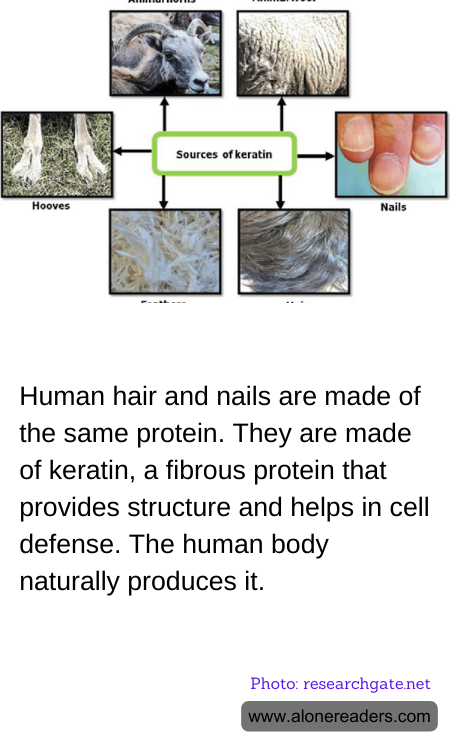
Human hair and nails are both primarily composed of keratin, a type of protein that plays a crucial role in the structure and protective function of various cells in the body. Keratin is a strong, fibrous protein that forms the building blocks of hair, nails, and the outer layer of skin. This protein is also found in the hooves, feathers, and horns of animals, showcasing its durability and protective qualities.
Keratin in the body is produced through a process in hair follicles and nail beds, where cells called keratinocytes synthesize and organize keratin fibers in a structured way. In hair, these proteins bond tightly to form long, tough strands that can withstand significant wear and tear. This toughness is what gives hair its ability to protect the scalp and contribute to body temperature regulation through insulation.
Similarly, in nails, keratin cells are densely packed to form a hard, protective layer that shields the delicate tissues of the nail beds from damage. The nails also assist in various physical activities, such as scratching, gripping, and manipulating small objects, which demonstrates the structural importance of keratin in providing both protection and utility to the body.
Moreover, the resilience of keratin in both hair and nails is evident in its resistance to digestive acids and enzymes; it remains largely undigested when consumed. This characteristic underscores its role in safeguarding the body’s exterior and indicates the complex and stable structure of keratin.
Overall, the presence of keratin in hair and nails is essential for protection against environmental damages, such as physical wear and tear, and chemical or thermal assault. It also plays a key aesthetic role, helping define body image and personal identity through varying hair textures and nail conditions. Regular maintenance and care can help ensure that keratin continues to function effectively in its protective and aesthetic capacities. Whether it's through dietary choices that influence keratin production or routine personal care practices, understanding the role and structure of keratin can be beneficial in maintaining not just the health of hair and nails, but also their contribution to overall well-being.
