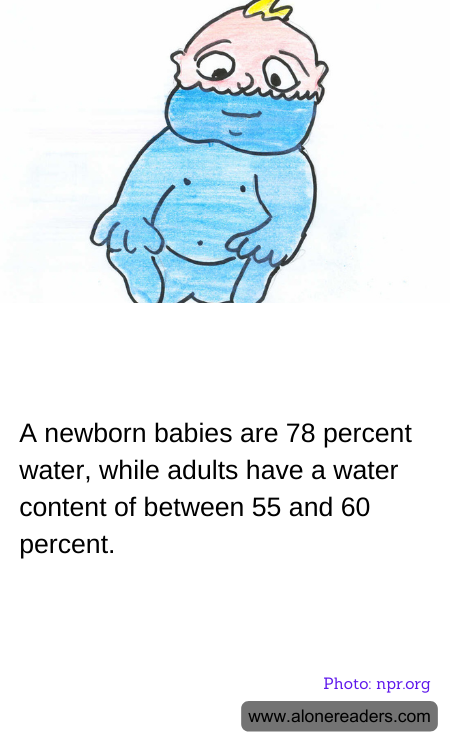
Newborn babies are comprised of approximately 78 percent water, a figure that significantly exceeds that of adults, who maintain a water content between 55 and 60 percent. This high water content in newborns is crucial for their growth and development. Water plays a vital role in many physiological processes, including digestion, nutrient transport, and temperature regulation.
The human body undergoes significant changes in water composition as it matures. During infancy, the body slowly adjusts from the high water percentage of newborns towards that of an adult. Water in the body is not just contained in blood and bodily fluids; it is also present in lean muscle and organs. In adults, a substantial amount of their body's water is stored in muscle and organs, including the skin.
This difference in water composition can be attributed primarily to the development and increase in muscle and fat tissue as a child grows. Muscle tissue contains more water than fat tissue; therefore, the composition of a person’s body plays a crucial role in determining total water percentage. As the amount of muscle mass increases with growth, the overall percentage of water decreases.
Beyond its role in physical development, water is also essential for cognitive functions in infants and adults alike. It facilitates the transportation of nutrients to the brain and aids in the waste removal process from neurological systems. Dehydration can have more severe effects in babies than in adults, affecting everything from metabolic function to mood stability. Even mild dehydration can lead to complications such as constipation and reduced cognitive functions.
Understanding the hydration needs of different age groups can help in maintaining optimal health. Therefore, ensuring adequate fluid intake is crucial throughout all stages of life, from infancy through adulthood. For infants, breast milk or formula provides not only necessary nutrients but also hydration. As children grow and transition to solid foods, their intake of fluids should continue to reflect their hydration needs. Adults, meanwhile, should monitor their own water intake to maintain hydration, particularly during exercise or periods of high heat, to support overall health and wellness.
