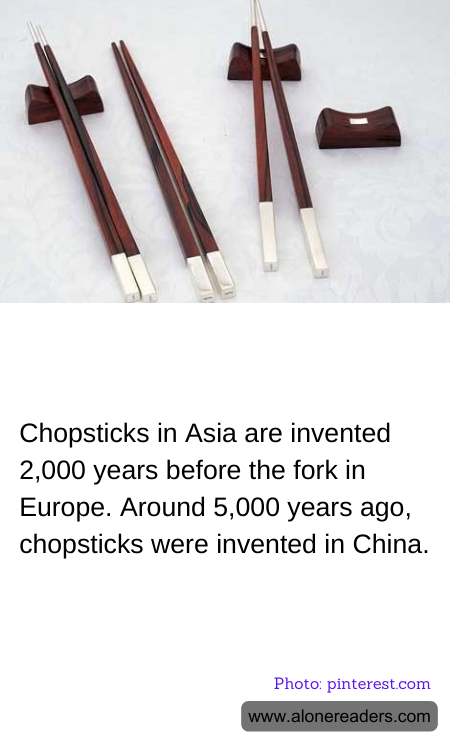
Chopsticks, the slender pairs of sticks used widely across Asia, have a rich history that extends back about 5,000 years. Originally conceived in China, the invention of chopsticks predates the European fork by a couple of millennia, suggesting a unique cultural evolution in dining utensils in different parts of the world.
The earliest versions of chopsticks were likely twigs used to retrieve food from hot pots. Over time, these simple tools evolved into more sophisticated eating instruments. By 500 AD, chopsticks had spread from China to other Asian nations such as Korea, Japan, and Vietnam. Each culture adapted the chopsticks to their dietary habits, leading to variations in material, length, and size.
Chopsticks are traditionally made from a variety of materials including bamboo, wood, metal, and bone. Among these, bamboo is the most popular due to its abundant availability, natural antimicrobial properties, and quick growth rate, making it an eco-friendly option. In Japan, chopsticks are shorter with pointed ends, which reflect the Japanese precision in handling small and delicate pieces of food such as sushi and sashimi. Korean chopsticks are traditionally made of metal, often stainless steel, which is a nod to the royal preferences of the historical Korean dynasties.
The use of chopsticks is not only a matter of functionality but also imbued with symbolic and educational significance. They are used to teach children finesse and control, principles highly valued in many Asian cultures. The way chopsticks are held and the food is picked up reflects one's manners and upbringing. For instance, crossing chopsticks or sticking them vertically into a bowl of rice is considered disrespectful in most Asian cultures. Each of these practices highlights a deep connection between dining customs and cultural values.
Furthermore, the widespread use of chopsticks in Asian countries is not just a reflection of tradition but also an influence on local cuisine. The shape and nature of chopsticks have influenced the way food is prepared, predominantly appearing in manageable sizes that fit between the chopsticks.
Despite their simple look, chopsticks carry a profound cultural significance and showcase an intentional approach to food consumption. As the global interest in Asian cuisines increases, so does the appreciation for chopsticks, which continue to be a symbol of Asian cultural heritage and culinary wisdom. The humble chopstick not only highlights the ingenuity of early civilizations but also serves as a bridge connecting the culinary histories and traditions of the vast and diverse Asian continent.
