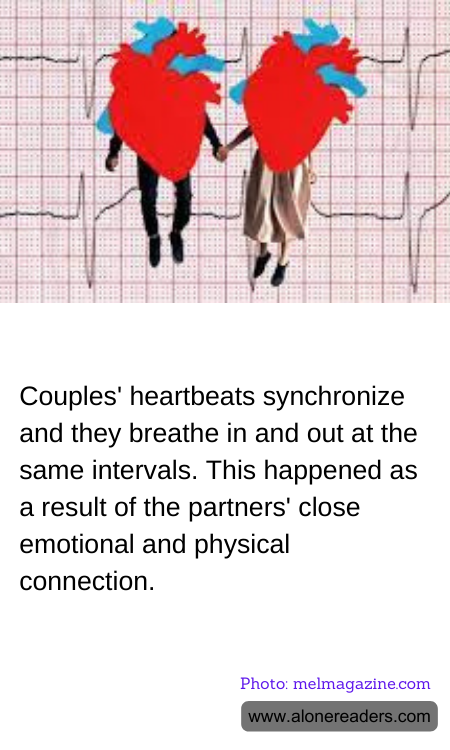
When two hearts beat as one, it's not just a metaphorical expression. Research has shown that couples can indeed sync up their heartbeats and breathing patterns when they share a close emotional and physical bond. This remarkable phenomenon, known as interpersonal synchronization, offers a fascinating glimpse into the ways our physiological states can align with those we are close to.
The synchronization of heartbeats and breathing among couples typically occurs when they are engaged in activities that promote physical closeness or emotional connection. For instance, when couples hold hands, hug, or even sit quietly together, their heart rates and respiratory rhythms can begin to mirror each other. This physiological syncing can also manifest during sleep, with partners' sleep cycles influencing and aligning with each other.
Researchers believe that this synchronization can be attributed to a phenomenon called "mirroring," which is a part of how people subconsciously mimic the physical or emotional states of someone they are close to. Through mirroring, individuals can experience a deeper level of empathy and understanding, reinforcing the emotional bond between them. This is especially evident in romantic relationships where partners often intuitively align their actions and behaviors with each other.
The implications of heart and breathing synchronization go beyond mere curiosity. Studies suggest that this phenomenon might have significant health benefits. For couples who experience synchronized patterns, there is often an increase in emotional attunement and mutual support, which can contribute to overall stress reduction and improved emotional health. Additionally, the physical effects of heart rate and breathing synchronization might help regulate the body's internal processes, promoting better sleep, lower heart rates, and perhaps even longer lifespan.
Interestingly, the capacity to sync up may also serve as a barometer for relationship quality. Couples in strong, stable relationships are more likely to exhibit this synchrony compared to those in tumultuous relationships. This could potentially be used in therapeutic settings, providing a unique window into the health of a couple’s relationship based on how closely their physiological processes align.
As the study of interpersonal synchronization grows, it could lead to broader insights about human relational dynamics and even guide strategies for enhancing connection and communication in relationships. Whether it’s through therapy, guided interaction, or simply fostering environments that encourage close physical and emotional connection, understanding how and why our biological rhythms align with those we love holds the promise of enriching our relationships in profound ways. This heart-to-heart connection showcases not only the profound ties between individuals but also underscores the interconnectedness of our physical and emotional lives.
