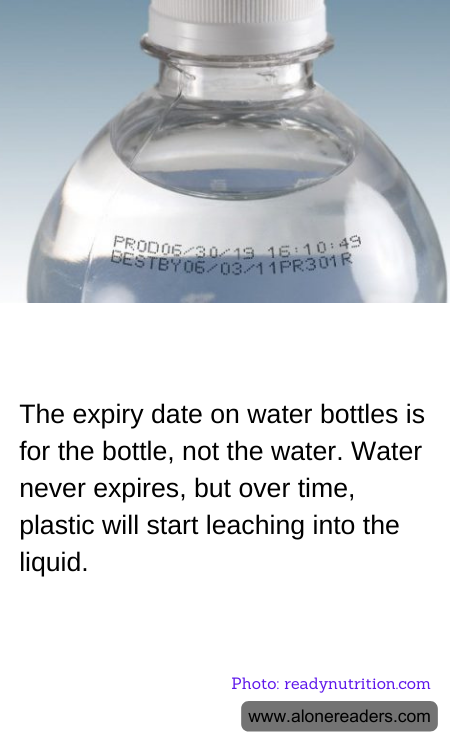
Water, a simple molecule composed of two hydrogen atoms and one oxygen atom, is virtually immortal in its pure form. Under normal conditions, water itself doesn’t spoil or "expire." However, the story is quite different when it comes to bottled water typically found on grocery shelves. Many consumers are under the misconception that the expiration date printed on bottled water refers to the water itself going bad. This is not the case. The expiration date is actually for the bottle, not the water.
The primary concern with plastic bottles is the potential for the plastic to leach chemicals into the water after extended periods of time. As plastic ages, it can release compounds such as antimony and bisphenol A (BPA), albeit typically in minute quantities that are well below the safety guidelines established by health agencies. However, these chemicals can sometimes confer a taste or odor to the water. Storing plastic water bottles in various conditions, such as in direct sunlight or in a hot car, can accelerate this leaching process.
This issue of leaching is why manufacturers put expiration dates on bottled water. It’s an indicator of how long they believe the water will remain tasting fresh and free from excessive chemical contamination. What’s critical to understand is that while the water itself does not go bad, the quality and safety of the water can be influenced by the condition and age of the bottle in which it is contained.
For those concerned about the impact of plastic on both health and the environment, alternatives to plastic bottles are worth considering. Glass or stainless steel containers offer durable and typically safer options for storing water. These materials do not degrade over time in the same manner as plastic and are resistant to leaching, thereby ensuring the water remains as pure as possible.
In conclusion, the key takeaway for consumers is that while water doesn’t expire, its storage container does have a shelf life. Proper storage and timely consumption can help ensure that bottled water remains as safe and tasty as intended. Being informed about what expiration dates on water bottles signify is a small but significant step toward making safer and healthier hydration choices.
