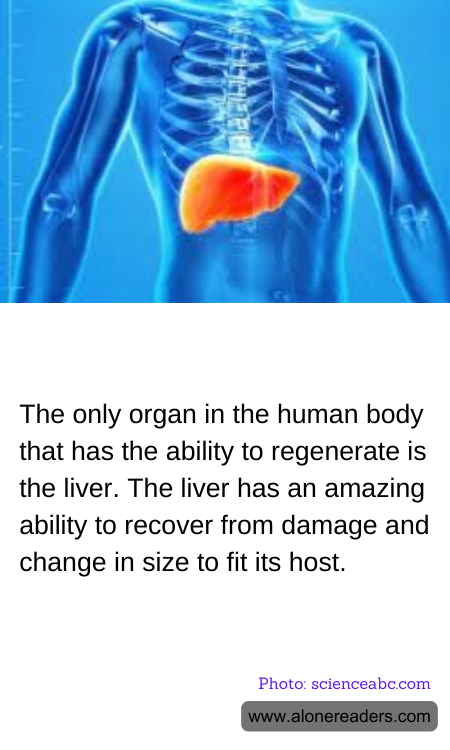
The liver is one of the most versatile and vital organs in the human body, playing a central role in regulating numerous physiological processes including metabolism, immunity, digestion, and the storage of nutrients. What makes the liver unique, however, is its impressive ability to regenerate itself, a feature not as prominently seen in other human organs.
This regenerative ability means that the liver can recover from damage and restore itself to full functionality. It has been observed that as little as 25% of a remaining liver can regenerate back to its full size after surgical removal or chemical injury. This process is crucial for recovery from liver surgeries like a hepatectomy, where large portions of the liver are removed to treat conditions such as liver cancer.
The liver's regenerative process involves both the proliferation of liver cells (hepatocytes) and the growth of cells from the liver's duct systems. Hepatocytes, the main type of liver cells, can duplicate in response to liver injury, helping to replace lost tissue. Additionally, cells lining the biliary tract can become hepatocytes and aid in liver regeneration. This adaptability is due to the liver's complex network of biochemical signals and cellular interactions.
The ability to regenerate does not mean the liver is invulnerable. Chronic diseases such as hepatitis, fatty liver disease, and cirrhosis can significantly impair the liver's ability to repair itself, leading to permanent damage and loss of function. Factors such as alcohol consumption, drug use, unhealthy diet, and viral infections can exacerbate these conditions, overwhelming the liver's regenerative capabilities.
The continuous research in liver regeneration offers potential therapies for liver diseases and insights into how other organs might also have their regenerative capabilities enhanced. Understanding and harnessing this natural regenerative process holds promise for improving liver health and patient outcomes in liver diseases and injuries. Thus, the liver not only performs essential functions but also exemplifies remarkable biological resilience, blurring the lines between resilience and vulnerability in the human body.
