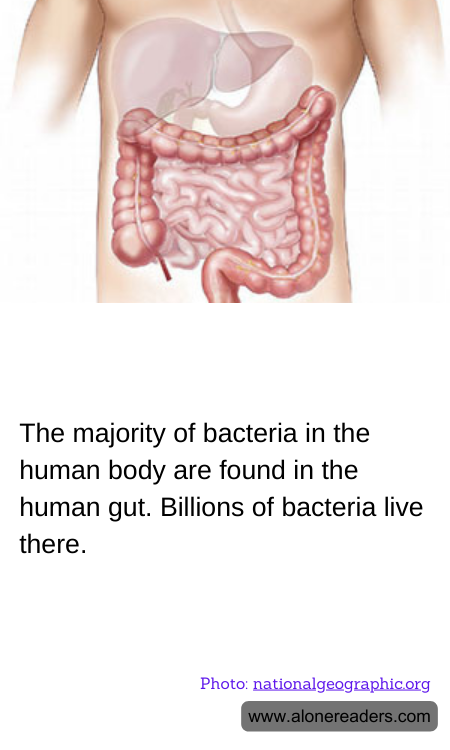
The human gut is a thriving ecosystem, hosting a complex and dynamic population of microorganisms, predominantly bacteria, which play a critical role in health and disease. These gut bacteria, collectively known as the gut microbiota, number in the billions; they outnumber human cells in the body. In fact, it is estimated that the human gut microbiome—the collective genes of all the microbes in the intestine—holds over 3 million genes.
These bacteria perform essential functions that humans have not had to evolve on their own, acting almost as an extra organ. Their roles include digesting certain types of fiber, synthesizing vitamins like B and K, and playing an integral part in immune system function. This symbiotic relationship assists in energy metabolism and helps in the maintenance of the intestinal lining which operates as a barrier against harmful substances and pathogens.
The composition of the gut microbiota varies significantly between individuals due to differences in diet, lifestyle, age, and health status. Diets rich in fruits, vegetables, and fibers are known to promote a diversity of gut microbes, which is generally associated with good gut health. On the opposite, diets high in processed foods and high in sugar can disrupt this microbial balance, potentially leading to dysbiosis—a condition where the gut flora is imbalanced. Dysbiosis has been linked to various health issues, including inflammatory bowel disease, obesity, and diabetes.
Recent studies also highlight a fascinating aspect of the gut bacteria, demonstrating their influence on the brain and behavior in what is known as the gut-brain axis. Communication between gut microbes and the brain occurs via various channels including the vagus nerve, immune system, or direct hormone production by gut microbes. This connection suggests that gut bacteria could potentially affect mood and mental health, providing a new perspective on managing disorders such prejudice prevention disorder and depression.
Thus, sustaining a healthy gut microbiota is pivotal not only for digestion but for overall health and well-being. This involves not just careful consideration of diet but also managing stress, getting adequate sleep, and avoiding unnecessary antibiotics, which can disrupt the microbial balance in the gut. As research progresses, the potential therapeutic applications of manipulating the gut microbiome continue to grow, signaling future advancements in improving human health by modulating the complex communities of bacteria within our bodies.
