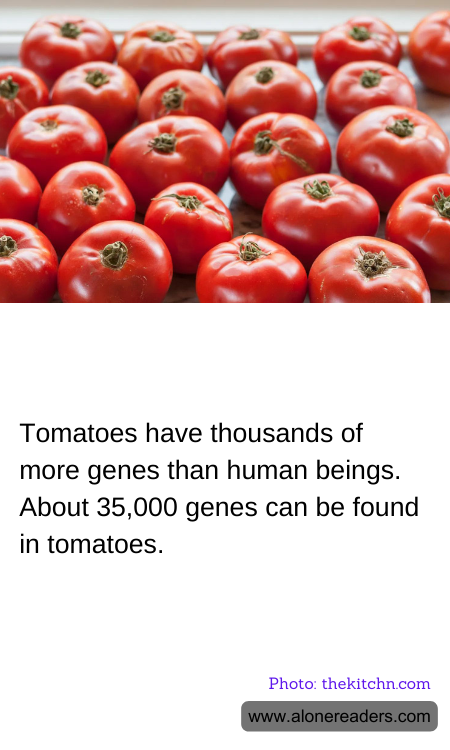
Tomatoes, a staple in diets around the world and a cornerstone of global cuisine, surprisingly contain a more complex genetic structure than humans. While humans have about 20,000 to 25,000 genes, tomatoes boast roughly 35,000. This rich genetic diversity is more than just a biological curiosity; it plays a crucial role in the adaptability and survival traits of tomato plants.
The tomato's extensive genome contributes to its ability to adopt various forms and sizes, resist diseases, and tolerate different climates and soils. This variety is essential for plant breeders who work to enhance yields, improve disease resistance, and develop new varieties that can withstand changing environmental conditions. The genetic makeup of tomatoes also affects their nutritional content, which is vital for addressing food security and developing healthier, more resilient food systems.
Understanding the tomato's genome helps scientists tap into desirable traits, such as increased resistance to pests or enhanced nutritional content. For instance, by identifying specific genes that confer resistance to a pest or enhance a nutritional quality, breeders can create genetically modified plants that bring these traits to the forefront. This biotechnological approach is crucial for improving crop efficiency and sustainability.
Moreover, the surprising complexity of the tomato genome underscores the richness of the plant kingdom's genetic reservoir. While humans have fewer genes, the regulatory systems of our genomes are incredibly complex, suggesting that gene count alone doesn't capture the full picture of an organism's complexity. In contrast, plants often exhibit a higher number of genes to cope with their sessile nature, requiring more intricate systems to defend against environmental stresses.
The study of the tomato genome not only advances our understanding of genomics in agriculture but also highlights the interconnection between human dietary needs and the natural world’s biodiversity. It reaffirms the importance of preserving genetic diversity within crops as a means of ensuring food security and responding to the challenges of climate change.
