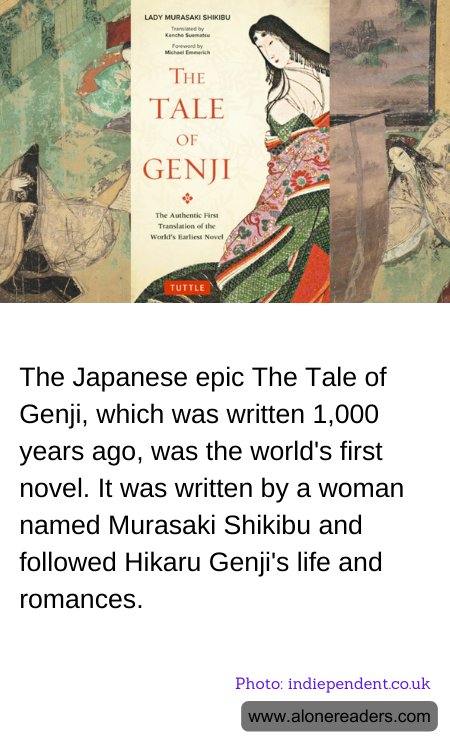
The Tale of Genji, a cornerstone of Japanese literature and often hailed as the world's first novel, provides profound insight into the Japanese court culture of the Heian period. Written by Murasaki Shikibu, a lady-in-waiting at the imperial court, the narrative masterfully unfolds the life and romantic exploits of its protagonist, Hikaru Genji, also known as the "Shining Genji." Not only does it cover the intricate details of his amorous relationships but it also paints a vivid picture of the rituals, politics, and aesthetics of aristocratic society in early 11th century Japan.
Murasaki Shikibu's brilliant narrative technique combines psychological depth and poetic sensibility, distinguishing her work from anything that had come before. Incredibly ambitious for its time, The Tale of Genji covers a broad emotional range and articulates a deep, poignant understanding of the human condition – themes of love, ambition, and the inherent impermanence of things resonate throughout the novel. Each character is intricately developed, with Genji’s character displaying a compelling mix of virtues and vices, which Murasaki explores through a series of romantic encounters and political maneuvers.
The cultural and historical value of The Tale of Genji is immeasurable. It offers contemporary readers a window into the world of the Heian period (794 to 1185), marked by its refined courtly culture, aesthetic sensitivity, and complex social practices. The novel’s insight into the roles and expectations of women during this period is particularly significant, as it reflects Murasaki Shikibu’s own experiences and observations within the imperial court.
The novel's impact extends far beyond its original medieval Japanese audience. Its translation into numerous languages and its enduring influence in literature reflects its universal themes and aesthetic qualities. The Tale of Genji has inspired countless works of literature, art, and even modern media across the globe, a testament to its timeless appeal. For researchers and enthusiasts of literature, history, and psychology, Murasaki Shikubi's work is an indispensable resource that not only pioneered novelistic narrative structure but also exemplified the artistic and emotional capacity of narrative fiction.
