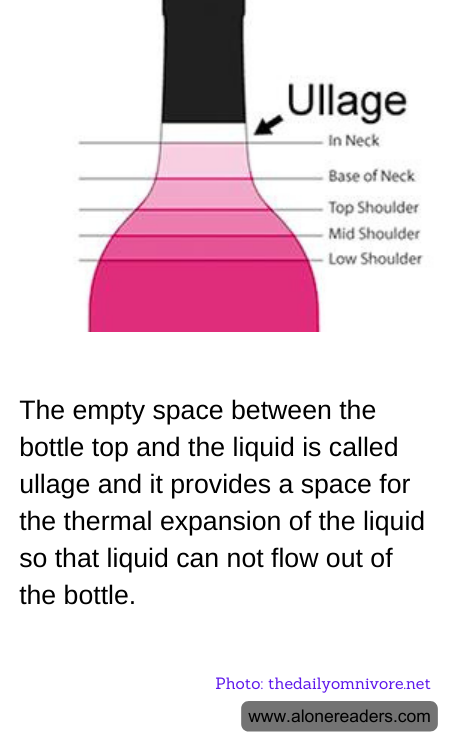
The term "ullage" may not be familiar to many, but it plays a critical role in packaging and storing liquids, from wine to olive oil. Ullage refers to the space left between the top of the liquid and the top of the container it is stored in, usually a bottle or barrel. This gap isn't just incidental; it serves a fundamental purpose in the preservation and quality control of the liquid contained within.
The primary reason for ensuring an appropriate amount of ullage in a container is to allow for the thermal expansion of the liquid. As temperatures rise, liquids expand and need additional space. Without sufficient ullage, this expansion could lead to increased pressure inside the container, potentially causing leaks, or in extreme cases, bursting of the container. Thus, ullage acts as a buffer zone, accommodating these natural fluctuations.
In winemaking, ullage is particularly significant. Not only does it prevent the risks associated with thermal expansion, but it also influences the aging process. In bottles of wine, a certain amount of oxygen trapped within the ullage interacts with the wine, influencing its maturation and flavor development. This interaction can enhance the complexity and depth of flavors in the wine, benefiting its overall quality.
However, excessive ullage can be a sign of potential issues, such as cork failure or evaporation, which might result in oxidation and spoilage. Therefore, maintaining the right balance of ullage is crucial. Wine collectors often examine the level of ullage when assessing older bottles for purchase, as it can be an indicator of the bottle's condition and storage history.
In industries involving volatile or pressurized liquids, understanding and managing ullage is essential for safety reasons as well. It’s carefully calculated to ensure that changes in external and internal temperatures do not lead to dangerous increases in pressure.
In summary, while it might seem like just empty space, ullage is essential for the thermal, chemical, and physical stability of bottled liquids. It ensures that changes in external conditions do not compromise the integrity of the container or the quality of the liquid within. Therefore, whether it's a fine wine or a basic household oil, that gap at the top of the bottle is there for good reason, safeguarding the contents and ensuring they can be safely and effectively used when opened.
