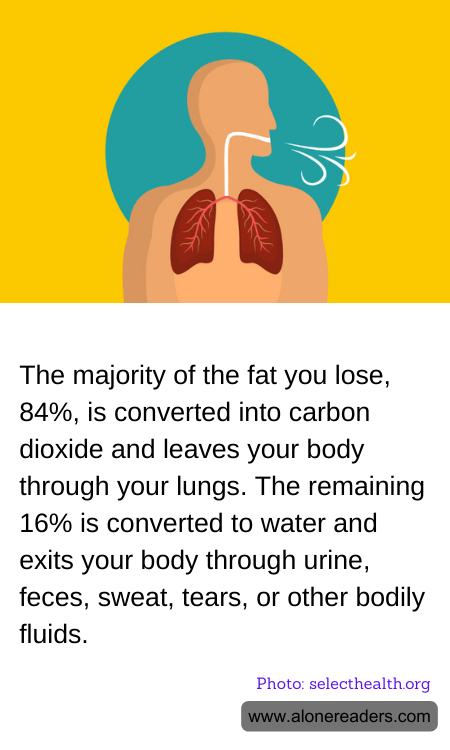
When you lose weight, the process of shedding fat is not just about sweating it out at the gym or cutting calories. In fact, the biochemical process of breaking down fat primarily results in the fat being converted into carbon dioxide and water. Surprisingly, a significant portion of this breakdown—84%, to be exact—transforms into carbon dioxide, which is then exhaled through your lungs.
This counterintuitive fact underscores the crucial role of the respiratory system in weight loss. As you burn fat, each molecule of triglyceride (the type of fat stored in fat cells) undergoes a complex metabolic process. This involves the triglyceride being broken down into its basic components: glycerol and fatty acids. These components are then further processed through various biochemical pathways that require oxygen. The end products of this extensive metabolic activity are carbon dioxide and water.
The carbon dioxide, amounting to the majority of the byproduct from this process, is transported via your blood to your lungs, from where you expel it each time you exhale. This means that every breath you take not only plays a crucial role in taking in the oxygen necessary for life and various metabolic processes but also in expelling the waste products of fat metabolism.
The remaining 16% of the fat breakdown ends up as water, which is excreted from the body through urine, feces, sweat, tears, or other bodily fluids. This highlights the importance of staying hydrated and maintaining proper kidney function, as these processes are crucial in managing and shedding water that is produced from fat loss.
Understanding these mechanisms can give a clearer picture of the importance of both respiration and hydration in the process of losing fat and maintaining a healthy body weight. It also might change the way people think about weight loss—not just in terms of diet and exercise but also in terms of breathing effectively and drinking plenty of water. Weight loss, then, is not just about what you eat or how much you exercise, but also about how efficiently your body can process and expel the breakdown products of fat.
