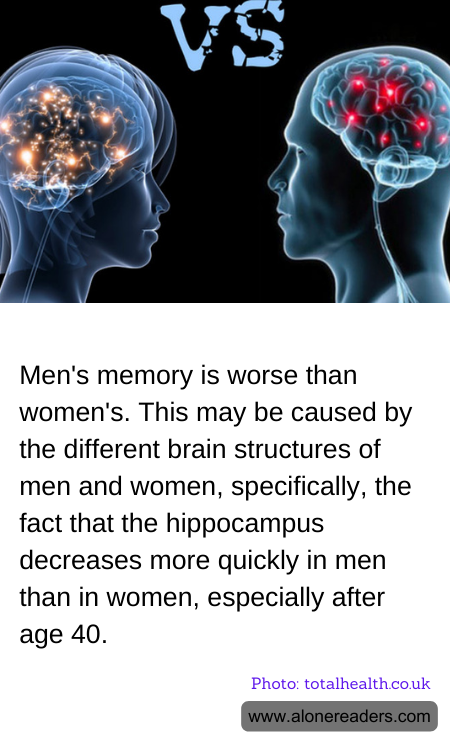
Research continues to explore the complex differences in cognitive abilities between men and women, with memory often being a focal point. Studies have indicated that men might have a higher tendency to experience memory loss compared to women. One compelling explanation for this disparity is rooted in the biological differences in brain structures between the sexes. Particularly noteworthy is the hippocampus—the part of the brain primarily associated with the formation of new memories and spatial navigation.
The hippocampus undergoes changes with age in both men and women, but the rate and extent of these changes can differ significantly by gender. After the age of 40, men generally experience a more rapid decline in hippocampal volume compared to their female counterparts. This accelerated decrease could contribute to the observed gender differences in memory performance in midlife and beyond. Furthermore, estrogen, a hormone more prevalent in women, is believed to have a protective effect on the hippocampus, potentially explaining why its decline is more gradual in women.
Additionally, lifestyle factors often vary between men and women and might also play a role in cognitive aging. For instance, men are statistically more likely to engage in behaviors that could impact brain health adversely, such activity levels and diet, which could indirectly contribute to the differences observed in memory performance.
However, it's important to note that while statistical trends can provide useful insights, individual memory capacity can vary widely within each gender group and is influenced by a myriad of factors including genetics, health conditions, education, and even personal life experiences. As research evolves, a more nuanced understanding of how and why memory functions differently across genders could lead to more effective strategies in preventing cognitive decline and improving life quality for all individuals, irrespective of gender.
