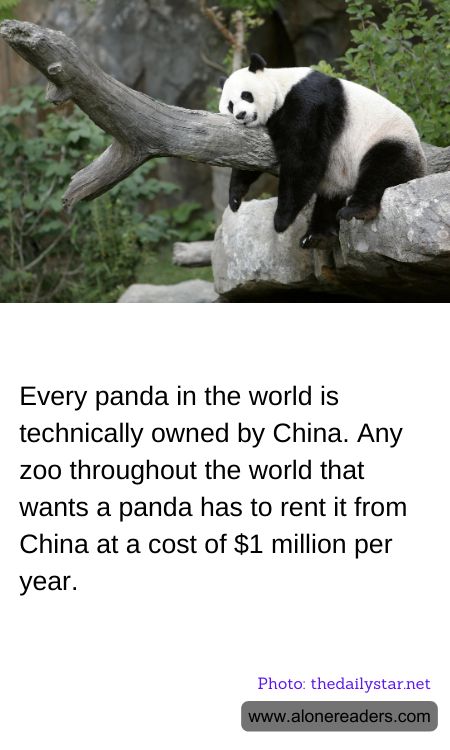
Pandas, the beloved black and white bears, are native to China and play a significant role in the country's diplomatic and conservation efforts. Interestingly, every panda that you see in zoos around the world is essentially on loan from China. This unique policy means that China retains ownership of all the pandas, as well as any offspring they produce, regardless of where they are born.
The process of obtaining pandas from China is not only complex but also expensive. Zoos around the globe looking to house these rare creatures must agree to a series of stringent conditions, one of which includes a fee of approximately $1 million per year per pair. This rental agreement often also stipulates that any research conducted must be beneficial to the conservation of the species and sometimes requires Chinese scientists to be involved.
This practice began in the 1950s and was initially part of a diplomatic strategy known as "Panda Diplomacy," where China gifted pandas to countries as a sign of goodwill. However, the approach shifted in the 1980s from gifting to loaning under the condition that the receiving institution contribute to conservation efforts. The fees collected are purportedly used to fund panda conservation initiatives, habitat preservation efforts, and breeding programs in China.
Despite the hefty cost, the presence of pandas can significantly boost a zoo's attendance and revenue, as these charismatic megafauna are incredibly popular with visitors. Additionally, hosting pandas can elevate a zoo's standing within the global conservation community, providing them opportunities to participate in important research and breeding programs. The conservation efforts supported by these fees have contributed to the growth of the wild panda population, which has been a significant success, moving the species from "Endangered" to "Vulnerable" on the IUCN Red List.
Thus, while the unique ownership and rental scheme of pandas by China might seem unusual, it plays a crucial role in the global effort to conserve this iconic species. The international cooperation it fosters among zoos around the world is a vital part of the broader conservation strategies aimed at ensuring pandas thrive both in captivity and the wild.
