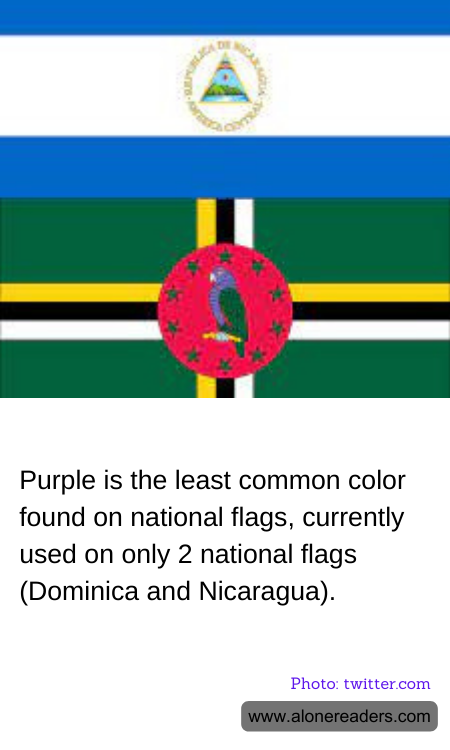
Purple, a color historically associated with royalty and luxury due to the rarity and expense of the dye originally used to produce it, is surprisingly scarce in the palette of national flags. Currently, only two countries—Dominica and Nicaragua—incorporate this regal hue in their flags. This rarity can be attributed to several factors, including the historical availability and cost of purple dye. Traditionally, purple dye was made from the secretion of sea snails, specifically the Bolinus brandaris, which was both labor-intensive and costly to produce. As a result, purple was often reserved for the elite, particularly royalty and clergy, making it a symbol of wealth and power.
The inclusion of purple in the flags of Dominica and Nicaragua, therefore, carries significant symbolism. Dominica's flag, redesigned in 1988, features a sisserou parrot—a national symbol—encirculated by ten green stars against a purple background. This design element stands out vividly, symbolizing the lush flora and unique wildlife of the island. Nicaragua's flag, on the other hand, uses purple to color the rainbow in its coat of arms, which spans over the country's two major bodies of water shown in the emblem. The rainbow is a symbol of peace, an especially poignant element given the country's history of civil strife.
The scarcity of purple in national flags might also be tied to practical reasons. Early flag designers were limited to colorfast dyes that could withstand the elements, particularly the sun. Purple's chemical components did not lend themselves well to these requirements, limiting its use in such national symbols. Moreover, the color spectrum used in flags traditionally comes from heraldry, which primarily utilized more readily available colors such as red, blue, white, green, and yellow.
Today, the rarity of purple on national flags remains, even though modern dyes have made the color more accessible. Its presence on just two flags highlights a unique aspect of national identity for Dominica and Nicaragua, setting them apart on the global stage. This distinction underlines not just historical connections to wealth and royalty, but also a modern acknowledgment of national pride and heritage. As countries continue to evolve their flags, the use of purple may become less unusual, but for now, it remains a rare and striking choice in the world of vexillology.
