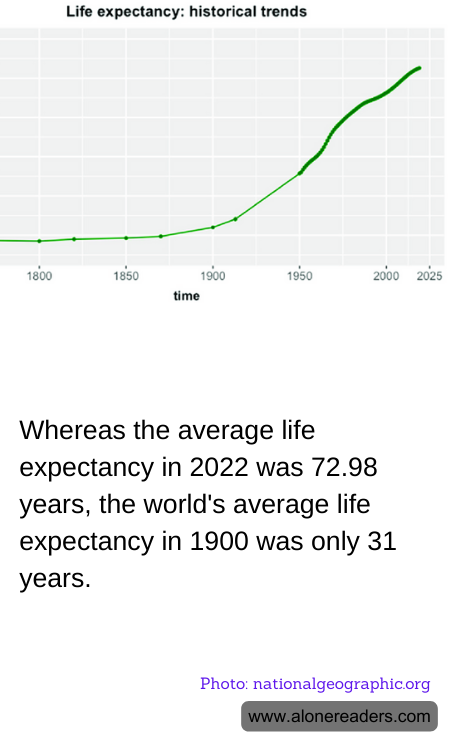
The stark contrast between the average life expectancy in 2022, which stood at approximately 72.98 years, and that of 1900, which was a mere 31 years, vividly illustrates the monumental strides humanity has made in terms of health and longevity over the past century. This improvement can be attributed to multifarious factors encompassing advancements in medical science, improved living conditions, and elevated standards of public health practices.
In the early 1900s, infectious diseases such as tuberculosis, influenza, and pneumonia were rampant, and pandemics like the 1918 Spanish Flu further decreased life expectancy. At that time, the limited medical knowledge and lack of effective treatments meant that such illnesses often had fatal outcomes. Preventive healthcare was almost non-existent, and the concept of vaccines was still in its nascent stages. Public health infrastructure, too, was rudimentary, with poor sanitation and hygiene standards common in populous areas, exacerbating the spread of diseases.
However, the 20th century marked a period of exponential growth in medical research and health sciences. The discovery of antibiotics, beginning with penicillin in 1928, revolutionized the treatment of bacterial infections, significantly reducing death rates. Innovations such as vaccination, improved surgical techniques, and the development of antiviral drugs likewise expanded the toolkit available to fight diseases.
Parallel to these medical advancements, enhancements in public health policy played a crucial role. The establishment of institutions like the World Health Organization in 1948 aimed to foster better health globally. Measures such as mass immunization campaigns eradicated deadly diseases like smallpox. Public health campaigns promoting better nutrition, hygiene, and sanitation further helped to prevent common infectious diseases.
Moreover, the increase in life expectancy was also influenced by better standards of living. As countries industrialized, there was a significant decline in manual labor jobs that posed high physical risks, and an increase in white-collar jobs. Economic growth contributed to better nutrition and living conditions, reducing mortality from malnutrition and substandard living environments. Social reforms, such as better work conditions, social security, and universal healthcare in many parts of the world, also played integral roles in extending life expectancy.
Today, challenges remain, particularly related to lifestyle diseases such as heart disease, diabetes, and obesity, which reflect newer health battlefronts. Furthermore, disparities in life expectancy persist, influenced by factors such as socioeconomic status, accessibility to healthcare services, and geographic disparities.
In conclusion, the dramatic increase in average life expectancy from 31 years in 1900 to nearly 73 years by 2022 underscores a history of remarkable human achievements in health and longevity. This historical perspective not only highlights past triumphs but also frames the modern challenges, pointing to areas where there is still considerable work to be done to ensure that everyone, regardless of background or location, has the opportunity to live a long and healthy life.
