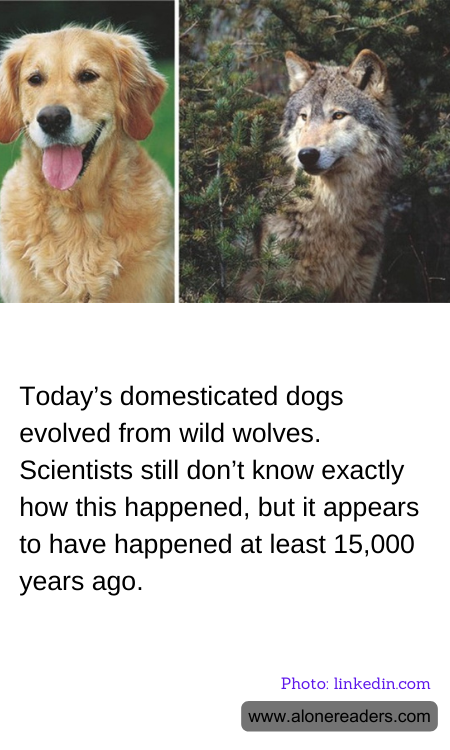
The domestication of dogs from wild wolves is a fascinating chapter in the annals of human history, marking one of the earliest instances of animals being domesticated. This profound transformation from ferocious predator to loyal companion is believed to have occurred at least 15,000 years ago, possibly even earlier as suggested by some archaeological findings. Despite extensive research, the exact process through which this domestication occurred remains somewhat elusive, shrouded in the mists of prehistory.
The prevailing theory suggests that the domestication of dogs was a gradual process of natural selection rather than an overnight transformation. It is thought that some wolves started to scavenge near human settlements, drawn by the remnants of meat and bones left by human hunters. Over time, the wolves that were less aggressive and more tolerant of human presence had a better chance of survival, as they could feed more easily on the scraps provided by humans. These tamer wolves bred and passed their genes to their offspring, who were also more likely to survive and reproduce due to their greater ease around humans.
As these early wolves became more integrated into human environments, both species found mutual benefits. Humans would have found it advantageous to have the animals around as an early-warning system against approaching dangers and to help in hunting. In return, these proto-dogs got food and security. Through generations of interaction and continued selection for traits that humans found beneficial or desirable, such as loyalty, protective instincts, and eventually variations in size and coat, the wolf eventually transformed into the myriad breeds of dogs we see today.
This understanding of dog domestication not only helps us appreciate the deep bond between humans and dogs, but it also offers insights into human societal shifts from hunter-gatherer communities to more settled, agricultural societies. Dogs were not simply pets, but integral to the survival and evolution of human communities. They have played countless roles throughout human history, from guardians and hunting allies to symbols of spiritual significance and beloved companions.
Though many details of this ancient partnership will likely remain unknown, ongoing archaeological discoveries and advances in genetic technologies continue to shed light on the fascinating journey from wild wolf to domestic dog. This continued research promises to deepen our understanding of the complicated and mutually beneficial relationships that shaped the history of both humans and their canine companions.
